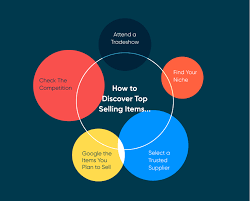
Understanding Online Arbitrage Sourcing
Online arbitrage means buying things online. You then sell them online for more money. It’s like buying a shirt on sale from one store and selling it to someone else for a bit more.
The difference in price is your potential profit. This works best when you find items that are cheaper in one online place than another. You need to know where to look.
You also need to know what people want to buy.
Why is this so popular? Because it lets you start a business from home. You don’t need a big warehouse.
You can do it with just a computer and internet access. Many people use it to earn extra money. Some even turn it into a full-time job.
It’s a flexible way to make income.
The main idea is simple: buy low, sell high. But the “how” is where the skill comes in. You need to find deals that others miss.
You need to understand the costs involved. Shipping, platform fees, and taxes all eat into your profit. So, finding a good deal is just the first step.
You must calculate everything carefully. This guide will show you how to do just that.
My First Online Arbitrage Hunt
I remember my first real attempt at online arbitrage sourcing. It was a rainy Saturday. I sat at my kitchen table, laptop open.
My goal was to find a product that would make me a quick $10 profit. I felt a mix of excitement and pure confusion. The sheer number of websites and products was overwhelming.
I clicked on a popular online store, scrolling endlessly. I looked at electronics, then home goods, then toys. Nothing seemed to jump out as a clear winner.
I spent hours that day. My eyes felt tired. I started to doubt if this was even possible.
Was everyone else just getting lucky? Then, I stumbled upon a specific type of kitchen gadget. I’d seen it mentioned in a few forums.
I checked its price on the store I was browsing. It seemed okay. But then I opened a new tab and searched for it on Amazon.
The difference was striking! The exact same item was listed for almost double the price. It felt like finding a hidden gem.
I quickly calculated the fees. Yes, there was a profit! That feeling of discovery was amazing.
It pushed me to keep going.
Your First Profitable Find
Step 1: Pick a Niche. Don’t try to sell everything. Start with one type of product, like pet supplies or books.
Step 2: Find Deals. Look for sales and discounts on popular online stores.
Step 3: Compare Prices. Use a tool to check the selling price on Amazon or eBay.
Step 4: Calculate Profit. Factor in all costs: product price, shipping, fees.
Step 5: List and Sell. Create a good listing and wait for buyers.
Where to Find Deals: Online Retailers
The first place to look for deals is popular online stores. Think of the big names you shop at. These stores often have sales.
They also have clearance sections. You might find items marked down significantly. Always check these areas first.
It’s where many beginners start their search.
Some of the best places include major department stores that also sell online. Think of stores that sell clothes, electronics, and home goods. You can find great deals during holiday sales.
Also, watch for end-of-season clearance events. These are prime times for discounts. You can often find items for 50% off or more.
Don’t forget about discount retailers. Stores that specialize in selling items at lower prices often have hidden gems. Their inventory changes quickly.
This can be a good thing for arbitrage. You might find a product that is selling for much less than its usual price. This gives you a wider profit margin.
It’s important to know which stores are good for sourcing. Some stores are better for certain types of products too.
Another strategy is to look at online outlet stores. Many brands have their own outlet websites. They sell older inventory or items with minor flaws at a discount.
These can be excellent sources for profitable products. Just make sure any flaws are minor and don’t affect the product’s function or appeal.
You can also explore smaller online shops. Sometimes, independent retailers have unique items. They might not have the same high traffic as the big stores.
This can lead to less competition for you. Do your research to find these smaller gems. Look for shops that offer loyalty programs or special discounts.
These can add up to bigger savings.
Top Online Retailer Categories to Explore
- Clothing & Accessories: Look for brands that hold value. Check for sales on popular styles.
- Home Goods: Kitchenware, decor, and small appliances can be good. Focus on useful items.
- Toys & Games: Popular brands and licensed toys can sell well. Check for holiday specials.
- Electronics: Smaller electronics like chargers, cables, or accessories might be profitable.
- Health & Beauty: Items with long shelf lives can be good. Watch for bulk deals.
Using Sourcing Tools Effectively
Manually checking prices can take forever. That’s where sourcing tools come in. They are software programs.
They help you find deals much faster. These tools connect to various online marketplaces. They compare prices for you.
This saves you a ton of time. It also helps you find profitable items you might miss otherwise.
Some tools scan entire websites for you. They look for price drops. Others help you check if a product sells well on Amazon.
They show you sales history. This is very important. Knowing if an item sells is key.
A cheap price means nothing if no one buys it. These tools are your best friends in online arbitrage.
You’ll want to use tools that check both the buy price and the sell price. They should also estimate fees and shipping costs. This gives you a clear picture of your potential profit.
Many tools also show you how much competition there is. Less competition usually means better profits for you.
There are many tools available. Some are free to start. Others have a monthly fee.
You’ll need to try a few to see which ones fit your needs and budget. The investment in a good tool often pays for itself quickly. It helps you make smarter buying decisions.
This reduces your risk. It also increases your chances of finding those hidden gems.
When using these tools, pay attention to the data. Don’t just buy something because the tool says it’s profitable. Understand why it’s profitable.
Look at the sales rank. This tells you how fast an item sells. A low sales rank is good.
It means many people are buying it. Also, check the number of sellers. If too many people are selling the same item, the price might drop.
Quick-Scan Tool Insights
Feature: Price Comparison
Benefit: Instantly see if a product is cheaper online elsewhere.
Feature: Sales Rank Data
Benefit: Understand how quickly an item sells on marketplaces like Amazon.
Feature: Profit Calculator
Benefit: Get an estimate of your profit after fees and costs.
Feature: Competition Analysis
Benefit: See how many other sellers offer the same item.
Understanding Profit Margins and Fees
This is a crucial part of online arbitrage. You found a cheap item. Great!
But how much profit will you really make? You need to know about fees. Marketplaces like Amazon charge fees for selling.
They also charge fees for storing your items if you use their fulfillment service (FBA).
Think of it like this: the sticker price of the item is your cost. The selling price is what you hope to get. But between those two numbers are many costs.
There’s the cost of the item itself. Then, there’s shipping to you. Then, shipping to the customer or the marketplace warehouse.
There are also referral fees. If you use FBA, there are storage fees and fulfillment fees. Don’t forget taxes too.
A good profit margin is key. You want to aim for a certain percentage profit. Many sellers aim for at least a 10% to 20% profit margin.
Some even higher. This depends on your costs and the type of products you sell. A small profit on a cheap item might not be worth the effort.
A larger profit on a more expensive item can be very rewarding.
You must calculate this for every single item you consider buying. Most sourcing tools have built-in profit calculators. Use them!
Enter the buy cost, the selling price, and the marketplace you plan to sell on. The tool will then show you the estimated profit. It will also show you the ROI (Return on Investment).
ROI tells you how much profit you make compared to the money you spent.
For example, if you buy an item for $10 and sell it for $25, your gross profit is $15. But after fees, shipping, and other costs, your net profit might only be $5. That’s a 50% gross profit but only a 20% ROI.
It’s vital to know the difference. Aim for a healthy net profit and ROI.
Cost Breakdown Example
Item Cost: $15.00
Selling Price: $35.00
Amazon Referral Fee (15%): $5.25
Amazon FBA Fulfillment Fee: $4.50
Amazon Storage Fee (monthly): $0.75
Shipping to Amazon: $2.00
Total Costs: $28.00
Net Profit: $7.00
ROI: 25% ($7 Profit / $28 Total Costs)
The Importance of Sales Rank and Competition
When you’re looking at products on Amazon, you’ll often see something called “Sales Rank.” This is a number. It tells you how well a product is selling compared to other products in its category. A lower sales rank is better.
For example, a sales rank of 1,000 is much better than a sales rank of 100,000.
Why does this matter so much for online arbitrage? Because it tells you how fast the item is likely to sell. If an item has a low sales rank, it means people are buying it frequently.
This means your money isn’t tied up in inventory for too long. You can sell it quickly and reinvest that money into buying more products. This is called cash flow.
However, you need to consider the category. A sales rank of 5,000 in the “Books” category might be excellent. But in a huge category like “Electronics,” that same rank might not be as good.
Most sourcing tools will tell you the sales rank within its specific category. This is the most important number to look at.
Now, let’s talk about competition. This is the number of other sellers offering the same exact product. If you find a great deal on an item, but 50 other people have the same item listed, you’re going to have a tough time.
The price will likely be driven down very quickly. This is called a price war. It can erase your profit before you even make a sale.
Ideally, you want to find products that have a good sales rank but a low number of competitors. This is the sweet spot. It means there’s demand, but not too many people are fighting for the sale.
Some sourcing tools will show you the number of sellers. They might also show you the “Fulfillment Network Status,” which indicates if the item is sold by Amazon itself. If Amazon is selling it, it can be very hard to compete.
Your goal is to find items where you are one of a few sellers, and the item sells relatively quickly. This is a key factor in reducing risk and ensuring steady sales. Always check the competition before you buy.
Don’t get tempted by a good price if there are too many sellers.
Sales Rank & Competition Checklist
Low Sales Rank? (Check within its specific category)
Is it selling fast? (Look at the rank number)
Few Competitors? (Ideally 5 or less, but depends on item)
Is Amazon selling it? (Avoid if possible)
Is it a restricted category? (Make sure you can sell it)
Ethical Sourcing and Avoiding Pitfalls
It’s important to source products ethically. This means you shouldn’t buy items just to scalp them at incredibly high prices. While profit is the goal, being fair matters.
Many platforms have rules against price gouging. Stick to reasonable markups. Your goal is to provide value to buyers.
One common pitfall is buying items that are restricted on certain platforms. For example, some categories on Amazon require approval. You can’t just start selling them.
Always check the selling policies of the platform you plan to use. Make sure you are allowed to sell the product type.
Another mistake is not checking the condition of the item. When you buy online, you can’t physically inspect it. Make sure you are buying new items.
If you buy used, be very clear about its condition in your listing. Buyers get very upset if an item is not as described. This can lead to negative reviews and returns.
Also, be careful of counterfeit items. These are fake products. Selling them is illegal and unethical.
Only buy from reputable retailers. Avoid marketplaces where the seller’s authenticity is questionable. If a deal seems too good to be true, it probably is.
Stick to well-known online stores.
Don’t forget about expiration dates. For items like health and beauty products, or food items, the expiration date is critical. Amazon and other platforms have strict rules about this.
Make sure there’s enough time left on the expiration date for the product to be sold and used by the customer. If it’s too close to expiring, it’s not a good item to sell.
Finally, be aware of intellectual property rights. Don’t sell items that infringe on copyrights or trademarks. This can lead to serious legal trouble.
Stick to products where you know the source is legitimate and you have the right to resell them. This often means buying from authorized retailers.
Sourcing Safely: Key Checks
Verify Retailer: Buy only from well-known, reputable online stores.
Check Restrictions: Ensure the product category is allowed on your selling platform.
New Condition Only: Unless clearly stated and accepted, focus on new items.
Avoid Fakes: If a deal seems suspicious, walk away. Authenticity is vital.
Expiration Dates: Ensure items have a long shelf life remaining.
Legitimacy: Confirm you have the right to resell the product.
Beyond Amazon: Selling on Other Platforms
While Amazon is very popular for online arbitrage, it’s not the only place to sell. Other platforms can be great too. eBay is a huge marketplace.
It has a different customer base. Many people find success selling there. You might sell items that don’t do as well on Amazon.
Consider platforms like Walmart Marketplace. They are growing and offer a good alternative. Other sites focus on specific niches.
For example, Etsy is great for handmade items, but also has vintage goods. Poshmark is popular for clothing. Mercari is another general marketplace that’s easy to use.
Each platform has its own fees and audience. Some are better for used items. Others are better for new items.
Some have simpler listing processes. Others require more detailed descriptions. Researching these platforms can open up new opportunities for your online arbitrage business.
For instance, eBay often works well for unique items or collectibles. People on eBay are often looking for specific things. They might be willing to pay more for a rare item than on Amazon.
Also, eBay’s auction format can sometimes drive prices up. This can lead to unexpected profits.
When you sell on different platforms, you can diversify your income streams. This reduces your reliance on just one marketplace. It also means you can find deals on sites that might not be as heavily monitored by arbitrage tool algorithms.
This can lead to unique opportunities.
The key is to understand each platform’s strengths. Where do your products fit best? What are the selling fees?
What is the typical customer looking for? By understanding these differences, you can choose the best place to list your items for maximum profit. You might even find that some online retailers you source from are also good places to sell.
Alternative Selling Platforms
eBay: Great for unique items, collectibles, and auctions. Wider audience reach.
Walmart Marketplace: Growing platform, good for everyday items. Offers direct competition to Amazon.
Poshmark: Focuses on fashion and apparel. Easy to use for clothing sales.
Mercari: Simple listing process for a variety of goods. Popular for electronics and collectibles.
Etsy: While known for crafts, it also has a strong vintage section. Good for niche finds.
Real-World Scenarios for Online Arbitrage
Let’s look at some real situations where online arbitrage sourcing works. Imagine it’s back-to-school season. You notice a particular brand of backpacks is on sale at an online clothing retailer for 40% off.
You check Amazon and see that this exact backpack sells for its full retail price year-round. You buy several at the discounted price. Then you list them on Amazon.
You make a good profit on each one because you bought them so cheaply.
Another scenario: A popular toy is released for the holidays. It sells out everywhere at the regular retail price. You find a smaller online store that still has a few in stock.
They aren’t on sale, but they are available. You buy them. On Amazon or eBay, these toys are going for double the retail price due to demand.
You’ve secured a product that’s hard to find, and you can sell it for a nice profit.
Consider clearance events. Many stores have huge sales at the end of seasons. You might find winter coats deeply discounted in spring.
Or summer clothes on sale in fall. These items might not sell immediately at their full price, but they have value. You can buy them cheap and sell them when the season is right again.
Or sell them on a platform where the demand is year-round.
Sometimes, it’s about understanding brand value. Certain brands hold their value better than others. Even when on sale, they might still have a strong resale market.
For example, some high-end kitchen gadgets or popular sporting goods brands. You can buy these on sale from an online retailer and resell them for a profit on a platform like Amazon.
Also, think about bundles. You might find multiple related items on sale individually. For example, a few different cleaning supplies from the same brand.
You could buy them all at a discount. Then, bundle them together as a “cleaning kit” and sell that bundle for a higher price than the sum of the individual items. This adds perceived value for the customer.
Everyday Online Arbitrage Examples
Scenario 1: Seasonal Clearance
Action: Buy summer toys in fall at 70% off from an online store.
Resell: List them on Amazon or eBay as “new arrival” for the next summer season.
Scenario 2: High-Demand Product Drop
Action: Find a newly released popular gadget available at a small online tech shop.
Resell: List it on eBay or Amazon for a premium due to scarcity.
Scenario 3: Brand Loyalty
Action: Purchase a well-known brand of water bottles on sale from a sporting goods website.
Resell: Sell them on Amazon where this brand is consistently popular.
What This Means for Your Sourcing Strategy
Understanding these strategies means you can build a smarter sourcing plan. Don’t just randomly browse websites. Have a list of preferred online retailers.
Know their typical sale cycles. Use your sourcing tools to scan these sites regularly.
Focus on product categories you understand. If you know a lot about baby products, start there. You’ll be better at spotting deals and understanding demand.
This expertise helps you avoid mistakes.
Always keep a running list of products that have sold well for you in the past. You can revisit these. Sometimes, they go on sale again.
Or you might find a new online retailer selling them cheaper.
Be patient. Online arbitrage isn’t a get-rich-quick scheme. It takes time and effort to find good deals.
Your first few buys might not be huge winners. But each purchase is a learning experience. You’ll get better at spotting profitable items.
Don’t be afraid to experiment. Try different types of products. Try different online retailers.
Try different selling platforms. What works for one person might not work for another. Your unique approach is valuable.
Most importantly, keep learning. The online selling world changes fast. New tools, new platforms, and new strategies emerge all the time.
Stay updated. Read blogs, join online communities, and watch videos. This continuous learning will help you stay ahead.
Building Your Sourcing Plan
Identify Key Retailers: List 5-10 online stores you trust and check often.
Define Your Niche(s): Focus on 1-3 product categories you understand well.
Schedule Sourcing Time: Dedicate specific hours each week to look for deals.
Track Your Buys: Keep a record of what you bought, where, and for how much.
Analyze Performance: Regularly review what sold well and what didn’t.
Stay Informed: Follow industry news and updates.
When to Worry About Your Sourcing
It’s normal to have some items that don’t sell quickly. But if a large portion of your inventory is sitting unsold for months, that’s a problem. It means your money is tied up.
You’re paying storage fees. You might have to sell them at a loss.
If you are constantly running out of stock for popular items, that’s also an issue. It means you’re missing out on sales. You need to find more reliable sources or buy more when you find a good deal.
This is where your sourcing tools and relationships with retailers become important.
Be wary if your profit margins are shrinking too much. If you used to make $10 profit and now you’re only making $2 on the same item, something has changed. Maybe competition increased.
Maybe the selling price dropped. You need to reassess your sourcing strategy for that item.
If you’re spending hours and hours sourcing but not finding many profitable items, it’s time to re-evaluate. Are you using the right tools? Are you looking in the right places?
Is your mindset focused enough on profit? Sometimes, a fresh perspective is needed.
A big red flag is getting too many customer complaints or returns. This usually means there’s an issue with the product quality, description, or sourcing. It can damage your seller reputation.
Always aim for transparency and accuracy in your listings.
Finally, if you feel overwhelmed or burnt out, take a step back. Online arbitrage should be manageable. If it feels like a constant struggle, you might need to simplify your approach.
Perhaps focus on fewer products or a more streamlined sourcing process. Your mental well-being is important for long-term success.
Sourcing Red Flags to Watch For
Stagnant Inventory: Items sitting unsold for over 90 days.
Frequent Stockouts: Constantly running out of popular, profitable items.
Declining Profits: Your profit margin on key items is shrinking drastically.
Sourcing Burnout: Spending excessive time with little to show for it.
Negative Feedback: High number of customer complaints or returns linked to product quality.
Tips for Improving Your Sourcing
One of the best ways to improve is to network with other sellers. Join online forums or social media groups for e-commerce sellers. You can learn a lot from others’ experiences.
They might share tips on deals or new sourcing locations.
Try to build relationships with online retailers. Sign up for their email lists. Follow them on social media.
This way, you’ll be among the first to know about sales and promotions. Some retailers even offer special discounts for bulk buyers.
Use deal alert services. There are websites and apps that send you notifications when specific products go on sale. This can be incredibly helpful for catching time-sensitive deals.
Always be willing to learn. The online selling landscape is always changing. New tools and strategies appear regularly.
Stay curious and keep trying new things. What works today might not work tomorrow. Adaptability is key.
Practice makes perfect. The more you source, the better you’ll become. You’ll develop an eye for good deals.
You’ll learn which product categories are most profitable for you. You’ll also learn to spot potential problems before you buy.
Finally, track everything. Know your numbers. Which products made you the most profit?
Which retailers gave you the best deals? Which sourcing methods were most effective? Data will guide your future decisions and help you grow your business.
Actionable Sourcing Enhancements
Connect: Engage with other online sellers in communities and forums.
Subscribe: Sign up for email newsletters from your favorite online retailers.
Automate: Utilize deal alert services for price drops on specific items.
Adapt: Stay updated on e-commerce trends and new selling strategies.
Analyze: Keep detailed records of your buys and sales performance.
Frequently Asked Questions about Online Arbitrage Sourcing
Is online arbitrage still profitable in 2024?
Yes, online arbitrage sourcing can still be very profitable. While competition exists, smart sourcing strategies, effective use of tools, and focusing on profitable niches can lead to great success. Many sellers continue to build successful businesses using this method.
What are the best types of products to source for online arbitrage?
Popular categories often include toys, books, health and beauty items, home goods, and electronics accessories. The best products are those with consistent demand, good profit margins, and manageable competition. It’s important to research specific items and brands within these categories.
How much money do I need to start online arbitrage?
You can start online arbitrage with a relatively small amount of money, even a few hundred dollars. Many successful sellers started with less than $1,000. The key is to start small, reinvest your profits, and gradually scale up your inventory and business.
What are the biggest risks of online arbitrage sourcing?
The biggest risks include buying products that don’t sell, facing unexpected fees, dealing with returns, and increased competition driving down prices. Carefully calculating profits, understanding platform fees, and researching products thoroughly can mitigate these risks.
Do I need special software to do online arbitrage?
While you can start manually, specialized sourcing software significantly speeds up the process and improves accuracy. Tools that compare prices, check sales ranks, and calculate potential profits are highly recommended for serious sellers.
How can I avoid buying products that won’t sell?
Thorough research is key. Use sourcing tools to check sales rank and estimated sales velocity. Look at the number of competitors.
Avoid products with a poor sales rank or too much competition. Also, ensure you are listing items that are in high demand on your chosen selling platform.
The Journey of Smart Sourcing
Online arbitrage sourcing is a journey of discovery. It involves smart shopping and strategic selling. By understanding where to find deals, how to use your tools, and what profit really looks like, you can build a strong business.
Remember to stay patient and keep learning. Your next great find is just a click away.