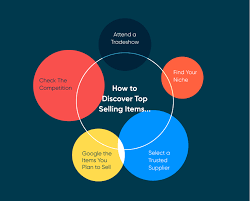
Retail arbitrage involves buying products from retail stores at a low price and selling them for a profit elsewhere. This strategy relies on finding clearance items, discounts, or overstocked goods and reselling them online or through other channels. Success depends on smart product sourcing, understanding market demand, and efficient selling processes.
What is Retail Arbitrage?
Retail arbitrage is a business model. It’s about buying low and selling high. You find items in regular stores.
These could be big box stores or small shops. Then, you sell them online. Platforms like Amazon, eBay, or even your own website work well.
The main idea is to find products on sale or clearance. You look for things other people want to buy. Then, you sell them for more than you paid.
This works because retail stores often have sales. They want to move old inventory. They also have seasonal items.
When a season ends, prices drop. You can buy these at a discount. Then, you wait until the next season.
Or, you find someone who needs it now. Online marketplaces connect you with buyers. These buyers might not be near the original store.
They also might not be aware of the sale.
It’s a bit like being a detective. You look for clues. The clues are good prices.
You also look for items that sell well. You need to know what people are searching for. This requires some research.
But once you get the hang of it, it’s rewarding. It’s a way to make money from everyday shopping trips. It turns shopping into a business activity.
It’s not just about buying things for yourself anymore.
My First Arbitrage “Aha!” Moment
I remember my first real dive into retail arbitrage. It was a chilly November evening. The holiday sales were starting to pop up.
I was in a large discount store, just browsing. I saw a bin of board games. Most were okay, but one caught my eye.
It was a popular strategy game. It was marked down to just $10. I knew this game.
People loved it. It often sold for $30 or more online. I picked up two.
It felt almost too easy. I went home and listed them on eBay. Within a week, both were sold.
The profit was small, maybe $15 each after fees. But the feeling was huge. It was a mix of excitement and disbelief.
Could this really be a way to make money? That small win lit a spark. It made me look at every store differently.
From then on, every shopping trip changed. I started noticing clearance racks more. I’d check the toy aisle after holidays.
I’d look at home goods during seasonal resets. It wasn’t always a win. Sometimes I’d buy things that didn’t sell.
Or I’d make very little profit. But those $10 games felt like a turning point. They showed me the potential.
They were proof that this strategy could work. It wasn’t just a dream; it was a real possibility.
Finding Your First Profitable Products
Look for clearance. This is the easiest place to start. Stores always mark down items they want to sell fast. Check end caps and back aisles.
Compare prices. Use your phone to check prices on Amazon or eBay. See what the item is selling for elsewhere.
Consider the size. Smaller items are easier and cheaper to ship. This means more profit in your pocket.
Think about trends. What are people talking about? What’s popular on social media? These items often sell quickly.
Where to Find Retail Arbitrage Opportunities
You can find retail arbitrage deals almost anywhere. Think about stores that sell a lot of different items. These are your best bets.
Big box stores are classic hunting grounds. Stores like Walmart, Target, and Kmart are great. They have frequent sales.
They also have large sections of merchandise. This means more chances to find deals.
Discount stores are also fantastic. Places like Big Lots or Ollie’s Bargain Outlet are designed for lower prices. They often buy overstock from other retailers.
So, you can find unique items there. Marshalls, TJ Maxx, and Ross are also good. They sell brand-name items at lower prices.
Sometimes these items are end-of-season. Other times, they might be last year’s models.
Even smaller stores can offer opportunities. Local hardware stores might have tools on sale. Bookstores could have discounted bestsellers.
Craft stores might have seasonal decor at low prices. You just need to train your eye to spot value. Don’t limit yourself to the obvious places.
Think outside the typical retail box.
Online retailers can also be a source. Sometimes stores have online-only sales. You can buy from their website.
Then, you can resell it on another platform. This is called online arbitrage. But for pure retail arbitrage, you focus on physical stores.
Popular Retail Arbitrage Stores
Some stores are better for retail arbitrage than others. This often comes down to their pricing strategy. It also depends on how often they have sales.
Let’s look at some top choices:
Top Retail Arbitrage Stores in the U.S.
Walmart
Huge selection, frequent clearance events, everyday low prices.
Target
Good sales, especially with their RedCard. Stylish items.
Kohl’s
Known for coupons and Kohl’s Cash, which can lower your cost further.
Big Lots
Buys overstock and closeouts. Great for unique finds.
Ollie’s Bargain Outlet
Similar to Big Lots, focuses on closeouts and surplus merchandise.
Home Depot/Lowe’s
Good for tools, home improvement items, and seasonal decor on clearance.
Dollar General
Can find small items with good profit margins. Check clearance often.
Ross/TJ Maxx/Marshalls
Off-price retailers. Brand names at significant discounts.
These stores are popular for a reason. They offer a wide variety of goods. This means you can often find items in different categories.
You might find toys, home goods, electronics, or clothing. The key is to visit them regularly. Sales and clearance items change quickly.
Don’t forget smaller, local stores. Sometimes these hidden gems offer the best deals. A small town pharmacy might have a clearance bin.
A local bookshop could be liquidating old stock. Always keep your eyes open. You never know where the next great deal will be.
The Pros of Retail Arbitrage
There are many good reasons people get into retail arbitrage. One of the biggest is the low barrier to entry. You don’t need a lot of money to start.
You can begin with just a few dollars. This makes it accessible to almost anyone. You can start small and grow over time.
Another big pro is flexibility. You can do this on your own schedule. You don’t have to quit your job.
You can shop on evenings or weekends. You can work on it whenever you have free time. This is perfect for parents, students, or anyone wanting a side hustle.
It’s also a great way to learn about e-commerce. You learn about product sourcing. You learn about online marketplaces.
You learn about customer service. These are valuable skills. They can help you build a larger business later on.
You get hands-on experience without a huge risk.
The satisfaction of finding a great deal is also a plus. It feels good to know you found something valuable for a low price. You’re turning a simple shopping trip into a profit-making activity.
This can be very motivating. It feels like a smart game you’re playing.
The Cons of Retail Arbitrage
However, retail arbitrage isn’t always easy. There are challenges. One of the biggest is time.
Finding profitable items takes time. You have to visit stores. You have to scan products.
You have to do research. This can eat up a lot of your free time. It might feel like a second job.
Profit margins can also be slim. When you’re buying from retail stores, you’re not buying in bulk. You’re paying retail prices, even if they’re on sale.
This means your profit per item might be small. You need to sell many items to make good money. Shipping costs can also cut into profits.
Competition is another issue. As retail arbitrage gets more popular, more people are doing it. This means the best deals get bought up quickly.
You might find a great item, but someone else already got it. You have to be fast and persistent.
Another challenge is inventory management. You’ll buy items from different stores. You need to keep track of what you have.
You need to know where it is. You need to know when it sells. This can become complex as your inventory grows.
Storage space can also be a problem.
Finally, relying on sales and clearance can be unpredictable. You can’t always find deals. Some weeks might be very profitable.
Other weeks, you might find nothing. This inconsistency can make it hard to rely on this income stream alone.
Retail Arbitrage: Quick Comparison
Pros
- Low startup cost
- Flexible schedule
- Easy to learn
- Builds e-commerce skills
Cons
- Time-consuming
- Potentially slim margins
- High competition
- Inventory challenges
- Unpredictable deals
How to Spot a Good Arbitrage Deal
Spotting a good deal is a skill. It takes practice. It also takes knowing what to look for.
The first step is always research. Before you buy anything, check its selling price online. Use apps like Amazon Seller, eBay app, or Google Lens.
Scan the barcode or the product. See what other sellers are asking for it.
You need to consider the fees. Selling platforms like Amazon and eBay charge fees. Shipping costs money too.
Calculate all these costs. Then, subtract them from the selling price. What’s left is your profit.
You want this number to be worth your time. A general rule of thumb is to aim for at least a 30-50% profit margin after all costs.
Look for items that are consistently in demand. Seasonal items can be great. But they only sell at certain times.
General merchandise items that sell year-round are often safer. Think about basic household goods or popular toys. These often have steady demand.
Pay attention to the condition of the item. You’re buying from retail stores. The packaging might be slightly damaged.
This is usually okay for arbitrage. But if it’s too damaged, it might not sell well. Be honest about the condition when you list it.
Consider the size and weight. Heavy or bulky items are expensive to ship. This eats into your profits.
Lighter, smaller items are easier and cheaper to ship. This is why many arbitrage sellers prefer them.
The Role of Technology and Apps
Technology plays a huge role in modern retail arbitrage. You can’t just walk into a store and guess anymore. You need tools.
Smartphone apps are your best friend. They help you scan barcodes. They show you pricing data instantly.
They tell you if an item is selling well on Amazon or eBay.
Some popular apps include Amazon Seller. This app allows you to scan barcodes. It shows you the Amazon price, your potential profit, and sales rank.
There’s also eBay’s app, which works similarly. Other apps like Scoutify or InventoryLab can offer more advanced data analysis. These tools help you make faster, smarter decisions in the store.
Scanning is crucial. You scan an item. The app tells you if it’s a good deal.
It shows you what it sells for on other platforms. It can also tell you if that product is restricted on certain platforms. This avoids buying something you can’t sell.
These apps give you real-time data. This data is essential. It helps you avoid buying items that won’t sell or won’t make money.
It transforms a guessing game into a data-driven process. This is what separates successful arbitrage sellers from those who struggle.
Essential Apps for Retail Arbitrage
Amazon Seller App: Scan barcodes, check prices, see sales rank, and estimate profit. A must-have for Amazon sellers.
eBay App: Similar to the Amazon app, helps check sold listings and current prices on eBay.
Google Lens: Great for items without barcodes or when the barcode is unreadable. Use image search to identify products.
Retailer Apps: Many stores have their own apps. These can show you sales, clearance items, or even offer coupons.
My Experience with Scanners and Apps
When I first started, I was skeptical about using apps. I thought I could just use my gut. But I quickly learned that wasn’t enough.
I remember buying a set of decorative pillows. They looked nice, and I got them for half price. I thought they’d sell easily.
I listed them on eBay. Weeks went by. Nothing.
I checked them again. Turns out, while they looked nice, nobody was really searching for that specific style online. My gut feeling was wrong.
The price was okay, but the demand wasn’t there. That was a costly lesson.
Then I got serious about using the Amazon Seller app. I went back to the store. I saw another set of pillows.
Different brand, different pattern. I scanned them. The app showed me they sold very well.
The profit margin was decent. I bought them. They sold in three days.
This was the turning point. The app gave me the data I lacked. It showed me what people were actually buying.
It saved me from buying more duds. It made my shopping trips more efficient. I could walk through a store, scan quickly, and know within minutes if an item was worth considering.
It felt like a superpower.
Retail Arbitrage vs. Other Sourcing Methods
Retail arbitrage is just one way to get products to sell. There are other methods. Each has its own pros and cons.
Understanding these can help you decide if retail arbitrage is right for you. Or if you want to combine methods.
One method is online arbitrage. This is very similar to retail arbitrage. The only difference is you buy online instead of in physical stores. You look for deals on websites.
Then you resell them on another platform. This saves you travel time. But you can’t physically inspect items before buying.
You also have to wait for shipping.
Another method is wholesale. This involves buying products in bulk directly from manufacturers or distributors. You buy at a much lower price per unit. This often leads to higher profit margins.
But it requires a larger upfront investment. You also need to meet minimum order quantities. It’s less flexible than arbitrage.
You commit to a specific product for a longer time.
Private label is another option. Here, you create your own brand. You find a manufacturer to make your product.
You then put your brand on it. This offers the highest potential profit and brand building. But it’s the most complex.
It requires significant investment, market research, and marketing effort. It’s a big step up from arbitrage.
Then there’s thrift store arbitrage. This is like retail arbitrage but at thrift stores. You’re looking for underpriced items. This can yield huge profits.
But it’s often a much slower process. Finding good items is harder. It requires a lot of searching through messy stores.
Each method has its place. Retail arbitrage is great for beginners. It lets you learn the ropes of selling.
You can test products. You can build capital. As you grow, you might move into wholesale or private label.
Or you might stick with arbitrage if it fits your lifestyle.
Real-World Scenarios for Retail Arbitrage
Let’s look at some common situations where retail arbitrage shines.
Scenario Examples
Post-Holiday Sales: You buy Christmas decorations in January for 75% off. You store them and sell them next December for full price. This is seasonal arbitrage.
Clearance Rack Finds: You find popular brand-name clothing items on the clearance rack at a department store for $5. They sell online for $20-$30. This is typical clothing arbitrage.
Liquidation Buys: A store is closing down. You buy out their entire stock of a certain product at a deep discount. You then sell it piecemeal online.
Overstock Items: A retailer has too much of a specific item. They mark it down significantly to clear shelf space. You buy these items, knowing they are still in demand.
These scenarios show the core of retail arbitrage. It’s about finding value where others overlook it. It’s about understanding that a sale price in one place can be a profit opportunity elsewhere.
It requires you to think like a buyer and a seller. You need to see potential in items that others see as just discounted goods.
What Does This Mean for You?
If you’re looking for a flexible way to earn extra money, retail arbitrage is worth exploring. It’s a good starting point for anyone interested in e-commerce. You can learn a lot without a huge financial risk.
It allows you to test the waters of online selling.
However, it’s important to be realistic. It’s not a get-rich-quick scheme. It requires effort, time, and smart decision-making.
You will make mistakes. You will buy items that don’t sell. This is part of the learning process.
The key is to learn from those mistakes.
Consider your lifestyle. Do you have time to dedicate to shopping and listing? Are you okay with the potential unpredictability of sales?
If the answer is yes, then retail arbitrage could be a good fit for you. It offers a tangible way to build income. It turns a common activity – shopping – into a business venture.
If your goal is to build a large, scalable business, retail arbitrage might be a stepping stone. It’s a fantastic way to gain experience. You’ll learn about product sourcing, market research, and customer service.
You can then apply these skills to other models like wholesale or private label.
Quick Tips for Retail Arbitrage Success
Here are some actionable tips to help you get started and succeed:
Retail Arbitrage Quick Tips
Start Small: Don’t invest too much money at first. Buy a few items. See how they sell.
Learn the process.
Know Your Platforms: Understand the rules and fees for platforms like Amazon and eBay. This affects your profit.
Track Everything: Keep a record of what you buy, what you paid, and what you sell it for. This helps you see what works.
Stay Organized: Have a dedicated space for inventory. Keep it tidy so you can find items easily.
Be Patient: Not every item will sell immediately. Some may take weeks or months. Don’t get discouraged.
Never Stop Learning: Read blogs, watch videos, and join forums. Learn from other arbitrage sellers.
Focus on High-Demand Items: Use your apps to identify products that are consistently selling.
Remember, consistency is key. The more you practice, the better you’ll become at spotting deals. You’ll learn which stores are most profitable for you.
You’ll learn which product categories yield the best results. Your efficiency will increase. Your profit margins will likely improve over time.
Frequently Asked Questions About Retail Arbitrage
What is the biggest challenge in retail arbitrage?
The biggest challenge is finding consistent, profitable deals. As more people enter the space, good deals get picked up quickly. It requires a lot of time spent searching and researching.
Can I do retail arbitrage with a low budget?
Yes, you can start with a very low budget. You can begin with just $50-$100. Focus on finding items with a good profit margin even at a low cost.
As you make sales, reinvest your profits.
Is retail arbitrage legal?
Yes, retail arbitrage is legal. You are buying legitimate products from authorized retailers. You are then reselling them.
It’s important to follow the terms of service for any selling platform you use.
What selling platforms are best for retail arbitrage?
Amazon and eBay are the most popular platforms. Amazon offers access to a huge customer base. eBay is good for unique items or if you want to auction products.
Other platforms like Poshmark or Mercari work for specific niches.
How do I avoid buying items that won’t sell?
Use scanning apps like the Amazon Seller app. These apps show you sales rank and demand data. This helps you see if an item is actively selling on the platform.
Research is crucial to avoid buying slow-moving inventory.
What are common mistakes beginners make?
Common mistakes include not calculating all fees and shipping costs, buying too much inventory at once, not researching demand, and not staying organized. Learning from these mistakes is part of the process.
Wrapping Up: Your Arbitrage Journey
Retail arbitrage can be a rewarding venture. It offers a chance to make money on your own terms. It teaches valuable business skills.
While it has its challenges, the potential for profit is real. With the right tools, research, and persistence, you can find success.
Start small, learn as you go, and enjoy the process of turning shopping into earning. Your treasure hunt for deals is just beginning!