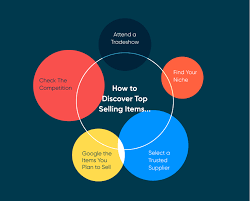
You can make money by buying low and selling high on various items. Popular choices include used furniture, electronics, clothing, and collectibles. Success comes from knowing market demand, finding good deals, and presenting items well for resale.
Understanding the World of Flipping
Flipping means buying something at a low price and then selling it at a higher price. The difference is your profit. This can be done with almost anything.
Think about things you see every day. Many of them can be bought and sold. The key is to find items that are in demand.
You also need to know how much people are willing to pay for them. This skill takes practice. It also takes some research.
Why do people flip items? It’s often for extra money. Some people do it as a side hustle.
Others turn it into a full-time job. It offers flexibility. You can work when you want.
You can sell what you like. It’s exciting to find a bargain. It’s even more exciting to sell it for a nice profit.
This guide will show you the best things to flip for profit. We will cover many categories.
My First Flipping Adventure
I remember my very first flipping attempt. It was years ago. I was browsing a local garage sale.
I spotted an old wooden desk. It was dusty and had a few scratches. Most people walked right past it.
But I saw something in its solid wood. It felt sturdy. I bought it for $20.
I barely had room for it in my car. I felt a bit silly. Was this a waste of money?
I took it home and cleaned it up. I used some wood polish. I tightened a few loose screws.
It looked so much better. I took some photos in good light. I listed it online for $100.
I was shocked when it sold in two days. That $80 profit felt amazing. It was the start of my flipping journey.
That desk taught me that even old things can have value.
Popular Items for Flipping
There are many types of items you can flip. Each has its own market. Some are easier to start with.
Others might need more skill. Knowing what sells well is key.
Furniture Flipping: Turning Old into New
What it is: Buying used furniture and restoring or updating it. This can include chairs, tables, dressers, and cabinets.
Why it works: Good quality furniture is expensive new. Many people want unique or sturdy pieces. Old furniture often has better materials than new, cheap options.
What to look for: Solid wood is best. Check for good bones – no major structural damage. Avoid particle board or MDF if possible.
Furniture is a big area for flippers. You can find pieces at thrift stores. You can also find them at estate sales or online marketplaces.
Some people just give away furniture for free.
The type of furniture matters. Antique pieces can be worth a lot. But they might need special care.
Modern or mid-century modern styles are also popular. These often sell quickly. You can update a piece with a new coat of paint.
You can add new hardware like handles. Sometimes, just a good cleaning makes a big difference.
Electronics: The Tech Resale Market
What it is: Buying used electronics and selling them. This includes phones, laptops, gaming consoles, and TVs.
Why it works: New tech is costly. Many people look for good deals on older models. Working electronics have a steady demand.
What to look for: Check if the item powers on. Test all functions. Look for cosmetic damage.
Brand names like Apple, Samsung, and Sony often sell well.
Electronics are fast-moving items. They can be bought and sold quickly. You need to be careful.
Make sure they work. Test everything before you buy. Also, check if they are locked or have accounts tied to them.
This can make them unusable.
Smartphones are very popular. Older models from brands like Apple and Samsung are always in demand. Laptops and tablets also sell well.
Gaming consoles are another good bet. People often look for older systems. They might want to play classic games.
Clothing and Accessories: Fashion Finds
What it is: Selling pre-owned clothing, shoes, and bags. This often focuses on brand names or vintage items.
Why it works: Fashion trends repeat. High-end brands are expensive new. People love finding designer items at lower prices.
What to look for: Check for wear and tear. Stains, holes, or missing buttons are bad. Focus on quality materials and known brands.
Vintage clothing has its own appeal.
The clothing market can be tricky. It’s best to focus on quality. Think about brand names.
Items from popular brands sell better. Vintage clothing is also a big market. Some people love finding unique old pieces.
You need to know what styles are coming back.
Shoes can also be flipped. Brand-name sneakers are very popular. Handbags and purses from designer labels are also good.
Always check the condition. A small flaw can make a big difference in price. Cleanliness is very important for clothes.
Make sure they are washed and smell good.
Collectibles and Antiques: Niche Treasures
What it is: Finding and selling rare or vintage items that collectors seek. This includes toys, coins, stamps, art, and memorabilia.
Why it works: Collectors often pay top dollar for specific items. These items may be hard to find and have sentimental value.
What to look for: Research is vital. Understand the market for specific collectibles. Condition is extremely important.
Original packaging or rarity increases value.
This is where serious profit can be made. But it requires knowledge. You need to know what collectors want.
This could be old toys. It could be vintage comic books. It might be old coins or stamps.
Even old advertising can be valuable.
The key here is research. You must know the market. What makes a coin rare?
What makes a toy valuable? Condition is usually everything. An item in mint condition with its original box can be worth much more.
These items often require more time to find. But the rewards can be very high.
Tools and Equipment: For the DIY Crowd
What it is: Buying and selling used tools, power tools, and machinery.
Why it works: Professional tools are expensive. Many DIY enthusiasts and small contractors look for good deals on reliable equipment.
What to look for: Check for rust and damage. Test power tools to ensure they work. Brands like DeWalt, Makita, and Milwaukee are popular.
If you know anything about tools, this is a great area. People need tools for home repairs. They need them for jobs.
Good quality tools are built to last. They can be bought used and still work great.
Power tools like drills, saws, and sanders are popular. Hand tools can also sell. Look for brands that are known for quality.
These tools can be expensive when new. People are happy to buy them used if they are in good shape.
Books and Media: Knowledge and Entertainment
What it is: Selling used books, vinyl records, CDs, and DVDs.
Why it works: Many people still enjoy physical media. Specific books, rare vinyl, or box sets can be in demand.
What to look for: Look for first editions of books. Check the condition of vinyl records closely. Box sets of TV shows or movies can also sell.
Don’t underestimate books. While many people read on screens, others love physical books. First editions of popular novels can be worth a lot.
Textbooks can also be flipped, especially at the start of semesters.
Vinyl records have made a huge comeback. If you find old records, especially from popular artists, they can sell. CDs and DVDs are less popular but can still sell.
Look for box sets or complete series.
Where to Find Items to Flip
Finding items is half the battle. You need to know where to look. Different places offer different types of items.
Some are cheaper than others. But they might take more digging.
Online Marketplaces: The Digital Goldmine
Platforms: Facebook Marketplace, Craigslist, eBay, OfferUp, Etsy (for vintage/handmade).
Pros: Huge selection, easy to search, can find free items, can reach a wide audience.
Cons: Competition can be high, need to be careful with scams, shipping can be a hassle.
Tips: Use specific search terms. Set up alerts for new listings. Be ready to act fast on good deals.
Online is a great place to start. Facebook Marketplace and Craigslist are local. You can often pick things up yourself.
This saves on shipping. eBay is for items you can ship. It has a much bigger reach.
OfferUp is another good local app.
You can often find free items. People list things they want to get rid of. Sometimes, these are valuable items.
You just have to be quick to grab them. Always be safe when meeting strangers. Meet in public places when possible.
Thrift Stores and Charity Shops: The Treasure Chests
Stores: Goodwill, Salvation Army, local charity shops.
Pros: Very low prices, constantly changing inventory, good for unique finds.
Cons: Items are often disorganized, condition can be poor, requires a lot of searching time.
Tips: Go often. Visit on sale days. Check for tags that indicate discounts.
Thrift stores are classic flipping spots. You never know what you might find. I’ve found designer bags for a few dollars.
I’ve found solid wood furniture hidden under coats. The key is patience. You have to be willing to sift through a lot.
Some thrift stores have weekly sales. This is a great time to go. You might get items for 50% off.
It’s also good to know their restocking schedule. Some stores put out new items daily. Others do it weekly.
Knowing this can give you an edge.
Garage Sales and Yard Sales: Neighborhood Finds
When: Weekends, especially spring and fall.
Pros: Prices are often negotiable, great for local deals, can find a variety of items.
Cons: Limited hours, weather dependent, items might be lower quality.
Tips: Go early. Bring cash. Be polite when making offers.
Garage sales are fun. They are a weekend activity. You can often haggle on prices.
This is where you can get things for a steal. The early bird gets the worm. So, try to go when they open.
Don’t be afraid to make an offer. Sellers are usually ready to deal. Especially at the end of the day.
They don’t want to pack things back up. Bring small bills. It makes paying easier.
And it makes your offer look good.
Estate Sales and Auctions: High Value Potential
What they are: Sales of items from a home being cleared out. Auctions can be in-person or online.
Pros: Can find valuable antiques, collectibles, and large lots of items. Sometimes you can buy entire collections.
Cons: Can be competitive, prices can go high, requires research to know true value, may need to buy in bulk.
Tips: Go early to estate sales. Research auction items beforehand. Set a strict budget.
Estate sales are like super garage sales. They often have older items. You can find furniture, art, and unique decor.
Auctions can be a goldmine. But you have to know what you are bidding on. Research is key here.
You don’t want to overpay.
Many estate sales have online previews. You can see what will be for sale. This helps you plan.
If you find a lot of items you like, you might get a bulk discount. This can be very profitable. But you have to sell all the items.
Wholesalers and Liquidators: Bulk Buying Power
What they are: Companies that sell overstock, returned, or damaged goods in bulk.
Pros: Very low per-item cost, can get large quantities of popular items, good for starting a business.
Cons: Often requires upfront investment, items can be untested or have defects, need storage space.
Tips: Start with smaller lots. Inspect goods if possible. Understand return policies.
Wholesalers offer items in bulk. This is how many businesses get their stock. You can often find pallets of goods.
These might be customer returns. Or they could be overstock from stores. The price per item is very low.
This method requires more capital. You have to buy a lot at once. You also need space to store it all.
But if you buy smart, the profit margins can be huge. Research the wholesaler. See what kind of items they sell.
Real-World Context: Where Flipping Happens
Flipping happens everywhere. It’s not just for people in big cities. You can do it in a small town too.
The key is understanding your local market. What do people in your area need?
In suburban homes, people often look for furniture. They might be decorating a new house. Or they might be updating a room.
Kids’ items are also big. Think strollers, toys, and bedroom sets.
In rural areas, tools and equipment might sell better. People there often do more projects themselves. They might need a good used tractor part.
Or they might need a reliable generator.
In college towns, textbooks are a great flip. Also, small electronics and dorm furniture. Students need these things.
They often don’t have a lot of money.
Online, the market is global. You can sell to anyone. But you have to deal with shipping.
Shipping large items can be costly and difficult. For smaller items, it’s easier. Always factor shipping costs into your price.
What This Means for You: When to Flip and When Not To
So, when should you jump into flipping? It’s a good idea if you have some free time. You need to enjoy hunting for deals.
You should also be willing to do a little work. Cleaning, minor repairs, and good photos are important.
It’s not for everyone. If you hate dealing with people, it might not be for you. If you don’t like the idea of cleaning used items, maybe look elsewhere.
If you have very little time, it might be hard to find items and sell them.
When is it normal to worry? If you spend more money than you make. If you can’t sell items after a long time.
If you are constantly being scammed. These are signs that something needs to change.
Simple checks can help. Before buying, ask yourself:
- Is this item in demand?
- Can I buy it for much less than its selling price?
- Will it be easy to sell?
- What is the condition?
- How much work does it need?
Quick Fixes and Tips for Flippers
Here are some simple tips to help you flip items better:
Quick Scan Table: Essential Flipping Steps
| Step | Action | Why it Matters |
|---|---|---|
| 1. Research | Know what sells and for how much. | Avoid buying unsellable items. |
| 2. Buy Smart | Find items at a low cost. | Maximize your profit margin. |
| 3. Clean & Prep | Make items look their best. | Attract more buyers. |
| 4. Great Photos | Use good lighting and angles. | Showcase the item’s appeal. |
| 5. Write Clear Ads | Describe the item well and be honest. | Reduce questions and build trust. |
| 6. Price Right | Find a balance between profit and selling fast. | Sell items without waiting too long. |
Cleanliness sells. Always clean your items. Even a quick wipe-down makes a difference. For clothes, wash them.
For furniture, dust and polish. Make sure they smell fresh.
Good photos are crucial. Use natural light. Take pictures from different angles. Show any flaws clearly.
A cluttered background can make an item look bad. Keep it simple.
Write honest descriptions. Be clear about what you are selling. Mention any defects. This builds trust.
People are more likely to buy from you if they feel you are honest.
Price competitively. Look at what similar items are selling for. Don’t price too high. But don’t sell yourself short either.
You want to make a profit.
Be patient. Some items sell fast. Others take time. Don’t get discouraged if something doesn’t sell right away.
You might need to lower the price. Or try a different platform.
Frequent Questions About Flipping
What is the easiest item to flip for profit?
Many find that furniture, especially solid wood pieces, is relatively easy to flip. They can often be found cheaply, updated with simple cosmetic changes like paint or new hardware, and have a steady demand from people looking for unique or affordable home decor.
How much profit can you make flipping items?
Profit margins vary greatly. For low-cost items, you might make $10-$20 profit. For higher-value items like electronics or antiques, profits can be hundreds or even thousands of dollars.
It depends heavily on the item, your buying price, and your selling price.
Do I need a lot of money to start flipping?
No, you don’t need a lot of money to start. You can begin with items you find for free or very cheap at garage sales or thrift stores. As you make profits, you can reinvest that money to buy more valuable items.
What are the biggest mistakes new flippers make?
Common mistakes include overpaying for items, not researching the market value, failing to account for repair or shipping costs, and neglecting to take good photos or write clear descriptions. Scams are also a risk if you’re not careful.
Is it better to sell locally or ship items?
It depends on the item. For large, heavy, or fragile items, selling locally can save you a lot of hassle and money on shipping. Smaller, durable items are usually good candidates for shipping, as they can reach a wider audience on platforms like eBay.
How do I know if an item is worth flipping?
Research is key. Check online marketplaces like eBay, Facebook Marketplace, and Craigslist to see what similar items are selling for. Consider the condition, brand, and any unique features.
If you can buy it for significantly less than its resale value, it’s likely worth flipping.
Conclusion
Flipping can be a rewarding way to earn extra money. It takes a bit of effort. It also takes a good eye for value.
By understanding what sells and where to find it, you can succeed. Start small. Learn as you go.
The best things to flip for profit are often those you can buy at a great price and make look even better. Happy hunting!