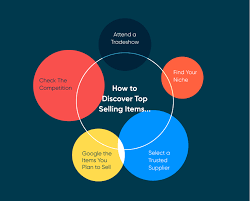
The best selling items at Goodwill to flip are often clothing, especially brand names. Home goods like decor, kitchenware, and small appliances also do well. Collectibles, books, and toys can be profitable. Always check for condition and demand before buying.
Understanding the Resale Market
The world of flipping items from thrift stores is exciting. It’s also a bit of a puzzle. You need to know what people want to buy.
What do they search for online? What’s popular in their local area? This knowledge is key.
It helps you pick the right things. Things that will move fast. And make you money.
It’s not just about finding cheap items. It’s about finding valuable cheap items. Think about it like a treasure hunt.
But with a little bit of strategy.
Many items at Goodwill have a story. They were loved once. Now they wait for a new home.
Some are just fine as they are. Others need a little polish. And some are actually quite rare.
Or highly sought after. These are the ones you’re looking for. They might be old.
They might be new. They might be a little worn. But their potential value is high.
Understanding this potential is half the battle.
Best Clothing to Flip from Goodwill
Clothing is king at thrift stores. Especially at a place like Goodwill. There’s a huge variety.
And people are always looking for clothes. But not all clothes are equal. You need to know the brands.
You need to know the styles. And you need to check the condition carefully. This is where you can make serious money.
If you know what to look for.
Brand Names Matter
Think about popular clothing brands. Brands like Nike, Adidas, Lululemon, or Levi’s. These sell well.
Higher-end brands also do great. Think Ralph Lauren, Tommy Hilfiger, or Calvin Klein. Even smaller, trendy brands can be good.
Do a quick search on your phone. See what similar items are selling for. If a brand is popular, it’s often a good sign.
Vintage and Retro Finds
Older clothing can be very popular. Especially if it’s from the 70s, 80s, or 90s. Think band t-shirts.
Or unique denim jackets. Graphic tees with cool designs are also hot. These items have a retro appeal.
Many people love wearing them. They offer a unique style. Make sure the vintage item is in good shape.
No rips, stains, or major wear.
Outerwear and Special Items
Coats, jackets, and sweaters can sell well. Especially in cooler months. Leather jackets are often a good find.
Wool coats too. Unique or designer shoes can also be profitable. Look for quality materials.
And good craftsmanship. If something feels well-made, it might be worth more.
Condition is Crucial
Even a great brand won’t sell if it’s damaged. Check for holes. Look for stains.
Make sure zippers work. Check buttons. Are the seams coming undone?
Is the fabric pilled? If there are flaws, are they minor? Can they be fixed easily?
If the item has problems, its value drops. Or it might not sell at all. Always check carefully.
Clothing Quick Check Guide
Brand Recognition: Is it a known, desirable brand?
Style Trends: Is it current, vintage, or classic?
Material Quality: Does it feel good? Look for natural fibers.
Condition Score: Is it like new, or does it need repair?
Size Appeal: Common sizes usually sell faster.
Profitable Home Goods and Decor
The home section at Goodwill is a goldmine. People are always decorating. Or upgrading their kitchens.
Or looking for unique pieces. This is a huge category. It includes many types of items.
Some sell better than others. It’s good to have a broad understanding.
Kitchenware and Small Appliances
Think about quality cookware. Cast iron pans, like Lodge, are popular. Good knives can also sell.
Small appliances in good working order are great finds. Blenders, toasters, coffee makers. Make sure they’re clean.
And that they work. Test them if you can. Check for brand names like KitchenAid or Cuisinart.
These are often a good bet.
Decorative Items
Unique vases, picture frames, mirrors, and wall art can be profitable. Look for items with interesting designs. Or from known makers.
Vintage pieces can be especially appealing. Think about what looks good in a modern home. Sometimes simple, elegant pieces are best.
Other times, quirky vintage items catch the eye.
Tableware and Serving Pieces
Nice dinnerware sets can sell. Or individual pieces like serving platters or unique bowls. Look for sets with a consistent design.
Or pieces that feel special. Think about brands like Lenox or Mikasa. Even generic but attractive sets can do well.
Small Furniture and Lighting
Sometimes you find small furniture items. Like end tables, chairs, or shelves. These can be good if they are in decent shape.
Or if they have potential for refinishing. Lamps and lighting fixtures can also sell. Especially if they have a cool, retro look.
Or a modern design.
Test and Inspect
For appliances, test them. Plug them in. Turn them on.
For anything breakable, check for chips or cracks. Even hairline cracks can make something unsellable. If it’s heavy, can you lift it easily?
Think about shipping costs later. For decor, does it look modern or vintage? Does it have a distinct style?
Home Goods: What to Look For
Kitchen Tools: Cast iron, good knives, small appliances.
Decor Pieces: Unique vases, mirrors, art, stylish frames.
Servingware: Platters, bowls, unique sets.
Lighting: Lamps with good style or vintage appeal.
Small Furniture: Tables, chairs, shelves in good condition.
Collectible Items and Toys
Collectibles are a category all their own. People collect all sorts of things. From old toys to specific types of art.
These items often have dedicated buyers. Finding them can be very rewarding. But you need to know your niches.
Toys from the Past
Think about classic toys. Things from the 80s and 90s are often popular. Action figures, board games, stuffed animals.
Brands like Kenner, Mattel, or Hasbro. If a toy is in its original box, that’s a huge bonus. Even out of the box, if it’s a popular character or a vintage item, it can sell.
Figurines and Statues
Certain types of figurines are collectible. Like Disney figures, Precious Moments, or certain ceramic pieces. Look for marked items.
Sometimes artist names or specific series are valuable. Check for any damage. Broken pieces significantly reduce value.
Trading Cards and Memorabilia
If you see sports cards, comic cards, or gaming cards, take a look. Older cards, in good condition, can be valuable. Also look for movie posters, celebrity memorabilia, or other unique items people collect.
Jewelry and Accessories
While not always a “collectible,” nice jewelry can be a great flip. Look for sterling silver, gold, or pieces with semi-precious stones. Be aware of costume jewelry.
Some vintage costume jewelry is valuable. Others are not. If you find a signed piece by a known designer, that’s a good sign.
Do Your Research
This category requires the most research. What’s popular right now? What are collectors looking for?
Use your phone to search. Look up specific brands or item names. See what they’ve sold for on eBay or other sites.
Don’t buy what you don’t understand. Start with items you know a little about.
Collectible Hotspots
Vintage Toys: 80s/90s action figures, games, plush toys.
Figurines: Disney, Precious Moments, artist-made pieces.
Cards: Sports, gaming, and collectible card sets.
Memorabilia: Movie posters, autographs, event items.
Jewelry: Sterling silver, gold, designer pieces.
Books and Media
Books can be hit or miss. Most used books at Goodwill won’t make you rich. But some categories are very profitable.
You need to know which ones to target.
Textbooks are Gold
College textbooks are a fantastic find. Especially recent editions. Search for the ISBN number on your phone.
See if they sell for a good price. Students often need them. And buying used saves them money.
Make sure they are not too old. Older editions often have no value.
Niche Non-Fiction
Books on specific hobbies can do well. Think about topics like cooking, gardening, history, or art. Especially if they are by respected authors or publishers.
Coffee table books with beautiful pictures are also popular.
Children’s Books
Certain children’s books are sought after. Especially vintage classics or rare editions. Look for authors like Dr.
Seuss or Beatrix Potter. If a book is in great condition and is a first edition or part of a popular series, it might be worth something.
Vinyl Records and CDs
Old vinyl records can be valuable. Especially rare pressings or popular artists. Check the condition of the record and the sleeve.
Similarly, some CDs can sell. Look for older, out-of-print, or rare music.
Condition Still Matters
For books, check for torn pages, water damage, or heavy underlining. A book that is falling apart won’t sell. For vinyl, listen to it if possible, or check for deep scratches.
For CDs, check for scratches on the disc.
Book & Media Flipping Tips
Textbooks: Check ISBNs for current market value.
Niche Topics: Cookbooks, art books, history, hobbies.
Children’s Books: Vintage classics, first editions.
Vinyl Records: Rare pressings, popular artists, check condition.
CDs: Out-of-print or rare music collections.
Tools and Hardware
You might not think of tools first. But quality tools are always in demand. And they can be found at Goodwill.
Power Tools
If you find power tools, check them carefully. Do they turn on? Are they missing parts?
Brands like DeWalt, Makita, or Milwaukee are good. Even older, well-made tools from brands like Stanley or Black & Decker can sell.
Hand Tools
Good quality hand tools are also valuable. Wrenches, screwdrivers, hammers, pliers. Look for brands like Snap-on, Craftsman (older ones), or Klein Tools.
These are built to last.
Specialty Tools
Sometimes you find specialized tools. Things for automotive work, plumbing, or woodworking. If you don’t know what it is, research it.
It could be something very specific that a professional needs.
Condition is Key Here
Tools should be clean and rust-free. Power tools need to work. Hand tools should not be bent or broken.
A little bit of surface rust can often be cleaned off. But deep rust or damage is a deal-breaker.
Tool Flipping Essentials
Power Tools: Check for function, brands like DeWalt, Makita.
Hand Tools: Quality brands like Craftsman (vintage), Klein.
Specialty Tools: Research unknown items.
Condition: Clean, rust-free, and working parts.
My Personal Goodwill Flipping Story
I was at my local Goodwill one Saturday. The store was packed, as usual. I was browsing the clothing racks, mostly looking for vintage band t-shirts.
That’s usually my go-to. After about an hour, I hadn’t found much. I started to feel a little discouraged.
Then, I spotted it. Tucked between a few plain shirts was a bright red jacket.
It was a vintage Patagonia fleece jacket. The kind with the older logo. It looked a bit worn, but not damaged.
I pulled it off the hanger. The material felt thick and warm. I quickly checked the tag.
It was a size large, a popular size. I pulled out my phone right there in the aisle. A quick search on eBay showed similar jackets selling for $50 to $100.
Some even more.
My heart did a little jump. I paid $7.99 for it. I felt a rush of excitement mixed with a bit of disbelief.
Was it really that good? I bought it, along with a couple of other things I had found. Back home, I cleaned it gently.
I took good photos in natural light. I listed it on eBay that evening. Within two days, I got an offer for $65.
I accepted it. That one jacket more than paid for my entire Goodwill trip. It taught me to keep looking, even when you think you’ve found nothing.
Sometimes, the best items are hiding.
Electronics and Gadgets
Electronics can be tricky. Many people are scared to buy them used. But if you find the right things, they can sell.
It’s all about knowing what’s in demand and what works.
Gaming Consoles and Accessories
Older gaming consoles can be very popular. Think Nintendo, Super Nintendo, Sega Genesis. Even PlayStation and Xbox models.
Make sure they come with controllers and cables. Test them if you can. If they are in good condition, they sell well.
Audio Equipment
Good quality speakers, turntables, or vintage audio receivers can be valuable. Brands like Bose, Harman Kardon, or Marantz. Check for condition and functionality.
If it looks dusty and old, it might just need a good cleaning and some basic checks.
Cameras and Lenses
Digital cameras or vintage film cameras can be a good find. Especially higher-end models or popular brands like Canon or Nikon. Lenses for these cameras are often valuable on their own.
Computer Components (Rarely)
This is less common at Goodwill. But sometimes you find old but useful computer parts. Like graphics cards or processors.
Only go for this if you understand computer hardware. And know what to look for. Most old electronics are obsolete.
Test, Test, Test!
This is non-negotiable for electronics. You MUST ensure they work. If possible, plug them in and test them at the store.
If not, be very cautious. Many places have a return policy. Check what it is before you buy.
A broken electronic item is usually worthless.
Electronics Flipping Caveats
Gaming: Test consoles and controllers. Nintendo, PS, Xbox.
Audio: Quality speakers, receivers, turntables. Bose, Harman Kardon.
Cameras: Digital or film, Canon, Nikon. Check lenses.
Functionality: Must work! Check return policy.
Risk vs Reward: High risk if item is broken.
What to Avoid
Not everything at Goodwill is a winner. Some things are better left on the shelf.
Anything Broken or Damaged
Unless it’s an extremely rare collectible that is still valuable despite damage, skip it. Most damaged items are not worth the effort to repair.
Very Old or Outdated Electronics
Unless it’s a highly collectible vintage item, avoid old VCRs, CRT TVs, or ancient computers. They have very little resale value now.
Mass-Produced Home Decor
Generic decorative items from big box stores often have low resale value. Unless it’s a unique piece, it’s hard to make a profit.
Stained or Heavily Worn Clothing
As mentioned, condition is paramount. A stained shirt or pants with holes are usually not worth buying.
Items Without a Clear Demand
If you can’t find anything similar selling online, or if it’s a very niche item you don’t understand, it’s probably best to pass. Don’t invest money in unknown quantities.
Red Flags at the Thrift Store
Obvious Damage: Rips, stains, cracks, deep rust.
Obsolete Tech: Old VCRs, CRT TVs, dated computers.
Generic Decor: Mass-produced, no unique appeal.
Poor Condition Clothing: Holes, significant wear.
Unknown Items: No clear demand or resale value.
Real-World Context: Where and How to Sell
Once you find those great items at Goodwill, you need a place to sell them. The platform you choose matters. It depends on what you are selling.
Online Marketplaces
eBay is king for a lot of items. Especially for vintage clothes, collectibles, and electronics. Its global reach is huge.
Poshmark is great for clothing. Especially contemporary brands. Etsy is good for vintage home decor and unique handmade items.
Facebook Marketplace is excellent for local sales. It’s good for furniture, larger items, or when you want to avoid shipping.
Shipping Considerations
Shipping costs can eat into your profits. Heavier items cost more to ship. Fragile items need careful packing.
Always factor shipping into your pricing. Use online shipping calculators to get estimates. Consider offering free shipping and building it into the price.
Pricing Your Items
Research is your best friend. Search for sold listings on eBay. See what similar items actually sold for, not just what people are asking.
Factor in what you paid, selling fees, shipping costs, and your time. Aim for a good profit margin.
Presentation Matters
Good photos are essential. Use natural light. Show the item from all angles.
Highlight any unique features. Be honest about any flaws. A clear, descriptive title and listing description also help sell items faster.
When is it Worth Your Time?
Not every trip to Goodwill will be a jackpot. It’s important to set realistic expectations.
The Profit vs. Time Equation
How much time did you spend at the store? How much time will it take to clean, photograph, list, and ship? If you spend hours finding something that only makes you $5 profit, it might not be worth it.
Look for items with a higher potential profit margin.
Niche Knowledge is Power
The more you know about certain categories, the better you’ll do. If you love vintage fashion, you’ll be better at spotting great clothes. If you’re a gamer, you’ll know which consoles to grab.
Build your expertise.
Start Small
Don’t go crazy buying tons of stuff at first. Start with a few items you feel confident about. See how the selling process goes.
Learn from each sale. As you get more experienced, you can expand your search.
The Thrill of the Find
Let’s be honest, part of flipping is the fun of finding a hidden treasure. The satisfaction of turning a $5 item into $50 is rewarding. But it should also be a sensible way to make extra money.
Making Flipping Worthwhile
High Profit Items: Target items with good resale value.
Time Investment: Calculate time spent vs. profit made.
Build Expertise: Focus on categories you know well.
Realistic Goals: Don’t expect to get rich overnight.
Enjoy the Process: Finding gems is fun!
Quick Fixes and Tips for Sellers
Sometimes, a little effort can make an item sell for more.
Cleaning is Key
Always clean items before selling. A simple wash for clothes. A good wipe-down for decor or tools.
For electronics, use a gentle cleaner. Clean items look better and sell faster.
Minor Repairs
Can you sew a button back on? Can you tighten a loose screw? Can you remove a small stain?
Small, easy fixes can dramatically increase an item’s value. But don’t attempt complex repairs unless you know what you’re doing.
Good Photography
This cannot be stressed enough. Use good lighting. Take clear, in-focus pictures.
Show all sides and details. Include pictures of any labels or tags. And show any flaws honestly.
Honest Descriptions
Write clear, detailed descriptions. Mention the brand, size, material, and condition. Be honest about any defects.
This builds trust with buyers.
Research Pricing Trends
Check “sold” prices on eBay or other platforms. Don’t just guess. Price competitively but fairly.
Your goal is to sell it, not to sit on it forever.
Selling Prep Steps
Clean Everything: Make it look its best.
Small Fixes: Buttons, loose threads, light cleaning.
Great Photos: Natural light, multiple angles, clear details.
Detailed Descriptions: Brand, size, condition, flaws.
Smart Pricing: Based on sold comparables.
Frequently Asked Questions About Flipping Goodwill Items
What are the most common items that sell well at Goodwill?
The most common items that sell well are clothing, especially brand-name or vintage apparel. Home goods like decor, kitchenware, and small appliances are also popular. Books, especially textbooks, and collectible toys also tend to do well.
How do I know if an item from Goodwill is valuable?
You know if an item is valuable by doing research. Use your smartphone to check prices for similar items on platforms like eBay or Poshmark. Look for well-known brands, vintage items, or items in high demand.
Check the condition carefully.
Should I buy electronics from Goodwill even if they don’t work?
It’s generally not recommended to buy electronics from Goodwill if they don’t work, unless it’s a very rare and collectible item. Most non-working electronics have little to no resale value and can be hard to repair.
What is the best way to sell items I find at Goodwill?
The best way to sell items depends on the item. eBay is great for a wide range of goods. Poshmark is best for clothing.
Facebook Marketplace is good for local sales, especially furniture. Etsy is ideal for vintage decor. Research which platform best suits your items.
How much should I expect to pay for items at Goodwill to flip them?
You should aim to buy items at prices that allow for a significant profit margin. For clothing, often under $10 is good. For decor or small appliances, under $5-$15 is a good target.
The goal is to buy low enough so you can sell for much more.
Is it better to buy clothing new or used from Goodwill for flipping?
It’s almost always better to buy clothing used from Goodwill for flipping. You are looking for low purchase prices to maximize profit. You can find high-quality, brand-name, or vintage clothing at thrift store prices, which is key to successful flipping.
Conclusion
Finding items to flip at Goodwill takes practice. And a bit of know-how. By focusing on popular categories like clothing, home goods, and books, you can increase your chances.
Always check the condition. Do your research on pricing. And be patient.
The right item is waiting on those shelves. Happy hunting!