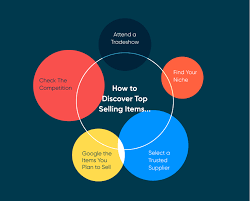
The core of eBay reselling is finding items at a low cost and selling them for a profit online. This involves smart shopping, understanding what buyers want, and creating good listings. Success comes from learning what sells well and how to present those items to customers.
Understanding eBay Reselling
eBay reselling is all about buying products and then selling them again. You aim to make money on each sale. This can be anything from old items you find at home to things you buy new at wholesale prices.
The goal is to spot a bargain and then sell it to someone who needs it, for more than you paid. It’s like being a detective for deals.
Think of it as a treasure hunt. You are looking for undervalued items. These could be collectibles, unique crafts, or even everyday items in high demand.
You then use eBay’s platform to reach a global audience. This means more people can see what you have to offer. It’s a great way to turn old stuff into cash.
Or, it can be a way to build a real business.
Many people start small. They might clear out their own closets first. Then, they move on to thrift stores or garage sales.
Some experienced sellers even work directly with brands or manufacturers. They buy in bulk to get better prices. The key is always finding that gap between what you pay and what someone else is willing to pay.
My First eBay Reselling Venture
I remember my very first attempt at eBay reselling. It was a rainy Saturday afternoon. I was bored and started clearing out my dad’s old garage.
Among the dusty boxes, I found a collection of vintage comic books. They were from the 1970s and 80s. Honestly, they looked like junk to me.
They were yellowed and had some wear and tear.
But something told me to check eBay. I typed in a few titles. To my surprise, some of them were selling for quite a bit!
I felt a spark of excitement mixed with doubt. Could these old comics really be worth money? I cleaned them up gently, took some clear photos, and wrote a simple description.
I listed them with a low starting bid, expecting nothing. Within a week, all the comics sold. The total amount I made was more than I expected.
It was a small profit, but it felt huge. That was the moment I thought, “Maybe I can do this.” It wasn’t a lot of money, but the feeling of finding value where I saw none was a real thrill.
Finding Profitable Items: The Essentials
Know Your Niche: Focus on what you like or know. It makes research easier. Do you love vintage toys?
Books? Electronics? Pick one or two areas.
Check What’s Selling: Look at completed listings on eBay. See what items sold and for how much. This shows real market demand.
Source Smartly: Where will you find items? Think thrift stores, garage sales, flea markets, online clearance, or wholesale suppliers.
Consider Condition: Items in good or like-new condition often sell best. Be honest about any flaws.
Where to Find Items to Resell
Finding items is the heart of reselling. You need places to look. Think about where people get rid of things they no longer want.
These places are goldmines for resellers. Many of these spots are very affordable. This helps you keep your costs low.
That means bigger profits.
Thrift Stores and Charity Shops: These are fantastic for finding bargains. Stores like Goodwill, Salvation Army, and local charity shops have shelves full of clothes, home goods, toys, and books. Prices are usually very low.
You need to be patient and search carefully. Sometimes, you’ll find hidden gems.
Garage Sales and Yard Sales: In the spring and summer, these are everywhere. People are clearing out their homes. You can often negotiate prices here.
Look for neighborhood sales for more options. Go early for the best selection. Talk to the sellers; they might give you a deal if you buy a few things.
Flea Markets and Swap Meets: These often have a wide variety of items. You’ll find antiques, collectibles, crafts, and more. Again, negotiation is key.
Some vendors might have higher prices, but you can still find good deals if you look around.
Online Marketplaces (for Flipping): Sometimes, you can buy items cheaply on other online sites. Think Facebook Marketplace, Craigslist, or even other smaller selling apps. Look for local deals that you can pick up.
Then, list them on eBay for a wider audience.
Liquidation Sales and Auctions: Businesses sometimes close down. They sell off all their inventory at low prices. Auctions can be exciting.
You might find bulk lots of items. You need to be careful at auctions. Know what you’re willing to pay.
Don’t get caught up in the bidding excitement.
Wholesale and Closeout Suppliers: If you want to scale up, look for suppliers who sell items in bulk. You buy more for a lower price per item. This is a more advanced step.
It requires more upfront investment. But it can lead to very good profits.
Quick Scan: Where to Find Inventory
| Location | Pros | Cons |
| Thrift Stores | Low prices, variety | Time-consuming search, inconsistent stock |
| Garage Sales | Negotiable prices, unique finds | Seasonal, weather dependent |
| Online Marketplaces | Convenient, local pickup possible | Scams possible, need to vet sellers |
| Wholesale Suppliers | Bulk discounts, consistent stock | High upfront cost, minimum orders |
What Sells Well on eBay?
Knowing what people want to buy is crucial. Some categories are always popular. Others have strong niche followings.
Research is your best friend here. Don’t guess. Look at what’s actually selling.
Collectibles: This is a huge area. Think vintage toys, action figures, coins, stamps, comic books, and trading cards. People collect these things for nostalgia or investment.
Rarity and condition are very important for collectibles.
Electronics: Used or refurbished electronics can sell well. This includes phones, laptops, gaming consoles, cameras, and accessories. Make sure they work.
Offer clear details about the condition.
Clothing and Fashion Accessories: Designer clothing, vintage apparel, and popular brands often sell quickly. Handbags, watches, and jewelry are also in demand. Focus on items that are in good shape.
Clean them before listing.
Home Goods and Decor: Unique decorative items, kitchenware, small appliances, and specialty tools can be good sellers. Antiques and retro items often have a following.
Books, Music, and Movies: Rare books, first editions, specific music genres, or classic film collections can find buyers. Think about out-of-print items or special editions.
Tools and Automotive Parts: If you find good quality tools, they can sell for decent prices. Specific car parts are always needed. Make sure you know the exact make and model.
Niche Hobbies: Anything related to popular hobbies can be a good bet. This could be craft supplies, sports equipment, musical instruments, or parts for hobbyist projects.
Key Factors for Sales:
- Demand: Are many people looking for this item?
- Scarcity: Is it hard to find elsewhere?
- Condition: Is it like new, used, or for parts?
- Price: Is it priced competitively yet profitably?
- Presentation: Are the photos clear? Is the description detailed?
Researching Your Items
Before you buy an item to resell, do your homework. eBay has a great tool for this. It’s called “sold listings” or “completed items.” This shows you what buyers have actually paid for similar items.
It’s your most important research step.
How to Check Sold Listings:
- Go to eBay.
- Search for the item you are interested in.
- On the search results page, look for a filter option on the left side.
- Find and select “Sold Items” or “Completed Items.”
- This will show you listings that have actually sold. Look at the prices in green text.
This tells you the real market value. Don’t just look at the “Buy It Now” prices that are still listed. Those are asking prices.
Sold prices are what buyers agreed to pay. This helps you avoid buying something that won’t sell for a profit.
Always consider the fees. eBay takes a percentage of the sale. PayPal (or Managed Payments) also has fees.
Factor these into your potential profit. If an item sells for $20, but you paid $5 and fees are $4, your profit is $11. If you paid $15 for it, your profit is only $1, or even a loss.
Myth vs. Reality: Item Research
Myth:
If an item is listed, it must be worth a lot.
Reality:
Only completed sales show true market value. Asking prices can be misleading.
Creating Effective eBay Listings
Once you have an item, you need to list it. Your listing is your sales pitch. Make it good.
Clear photos and a detailed description are key.
Title: This is super important for search. Use keywords buyers would search for. Include brand, model, color, size, and any unique features.
Think like a buyer. What words would they type into the search bar? For example, instead of “Old Lamp,” try “Vintage Mid-Century Modern Brass Table Lamp, Art Deco Style, 1960s.”
Photos: Take lots of clear, well-lit photos. Use natural light if possible. Show the item from all angles.
Highlight any special features. Also, show any flaws honestly. Use a plain background so the item stands out.
Most phones take great pictures now. You don’t need fancy equipment to start.
Item Specifics: Fill out as many “item specifics” as you can. This helps buyers filter searches. It also helps eBay’s search engine find your item.
This includes brand, size, color, material, condition, and style.
Description: Write a clear, honest description. Start with a summary of the item. Then, add details about its condition.
Mention any defects, like scratches, stains, or missing parts. Be specific. For example, “This shirt has a small stain on the left cuff (see photo 5).”
Pricing: Set a price. You can choose a fixed “Buy It Now” price or an auction. For auctions, set a low starting bid to encourage early bidding.
For “Buy It Now,” research what similar items sold for. Price competitively but ensure you have a profit margin.
Shipping: Decide on your shipping strategy. You can offer free shipping (build the cost into your item price) or calculated shipping (where the buyer pays based on their location). Pack items carefully to avoid damage during transit.
Use strong boxes and plenty of padding.
Listing Checklist: Quick Reference
Title
Use keywords. Be descriptive.
Photos
Clear, bright, multiple angles, plain background.
Description
Honest, detailed, mention all flaws.
Item Specifics
Fill out completely.
Pricing
Research sold items, ensure profit.
Shipping
Offer options, pack well.
Shipping and Handling
Shipping can feel like a chore, but it’s a vital part of reselling. Good shipping practices lead to happy customers. Happy customers leave good feedback.
Good feedback helps you sell more.
Packaging: Always pack items securely. Use sturdy boxes. Bubble wrap, packing peanuts, or crumpled paper are good for filling empty space.
Make sure the item cannot move around inside the box. This prevents damage during shipping.
Shipping Labels: You can print shipping labels directly from eBay. This is often cheaper than buying postage at the post office. It also automatically uploads tracking information to eBay.
This protects you as a seller.
Shipping Costs: Decide if you’ll offer free shipping or charge the buyer. If you charge the buyer, use eBay’s calculated shipping. It takes the guesswork out.
Make sure you weigh your packaged items accurately. Accurate weights prevent extra charges later.
Shipping Services: eBay offers several options, like USPS, UPS, and FedEx. For smaller, lighter items, USPS First Class Mail is often the most affordable. For heavier or larger items, USPS Priority Mail, UPS Ground, or FedEx Ground might be better.
Handling Time: This is how long it takes you to ship the item after a buyer pays. Aim for a fast handling time, like 1-2 business days. This helps improve your seller standing on eBay.
It also gets the item to the buyer sooner.
International Shipping: eBay has a Global Shipping Program. This makes it easier to ship internationally. eBay handles customs forms and fees.
You just ship to a US shipping center. They take care of the rest. This opens up a larger customer base for your items.
Shipping Tips for Success
1. Use the Right Box: Never use a box that’s too small or too big. Ensure it fits the item snugly with padding.
2. Secure Your Item: Wrap fragile items well. Use strong tape to seal all seams of the box.
3. Print Labels at Home: Save time and money by printing labels from eBay.
4. Accurately Weigh and Measure: This prevents unexpected shipping surcharges.
5. Ship Quickly: Aim for 1-2 business days to build customer trust.
Dealing with Customers and Returns
Good customer service is key to long-term success on eBay. Most transactions go smoothly. But sometimes issues arise.
Communication: Respond to buyer messages promptly and politely. Answer questions clearly. If there’s a delay in shipping, let the buyer know proactively.
Feedback: Positive feedback is earned. Leave feedback for your buyers after they’ve paid and received their item. This encourages them to leave feedback for you.
Aim for 100% positive feedback.
Returns: Decide your return policy. You can offer returns (e.g., 30-day money-back) or “no returns.” Offering returns can make buyers more confident. If you accept returns, set clear conditions.
For example, “Buyer pays return shipping” or “Item must be returned in original condition.”
Handling Problems: If a buyer has an issue (e.g., item not received, item damaged), work with them. eBay has processes to help resolve disputes. Sometimes, an item gets lost in transit.
You may need to file a claim with the shipping carrier.
Honesty is Key: Always be truthful in your listings. If you make a mistake, own up to it. Most buyers are understanding if you are upfront and try to fix the problem.
This builds trust and encourages repeat business.
Customer Service Flow
Step 1: Receive Inquiry/Issue
Step 2: Respond Promptly & Politely
Step 3: Understand the Problem
Step 4: Offer a Solution (if applicable)
Step 5: Follow Through on Commitment
Common Pitfalls to Avoid
New resellers often make mistakes. Knowing these pitfalls can help you avoid them. It saves you time, money, and frustration.
Buying Too Much Inventory: Don’t go out and buy hundreds of items at once. Start small. Learn what sells.
Then, gradually increase your inventory as you gain experience.
Underpricing Items: Always do your sold item research. Don’t guess your prices. Make sure you’re covering your costs (item cost, fees, shipping supplies) and making a profit.
Poor Quality Photos: Blurry, dark, or few photos will make buyers pass over your listing. Invest time in good photography. It’s one of the most important parts of your listing.
Vague Descriptions: Buyers need details. Don’t just say “used condition.” Explain what “used” means for that specific item. Mention wear, scratches, or any imperfections.
Ignoring Fees: eBay fees, payment processing fees, and shipping supply costs add up. Factor all of these into your pricing strategy. Don’t let fees eat up all your profit.
Not Checking Sold Prices: This is a big one. Just because an item is listed for a high price doesn’t mean it sells for that. Always check completed/sold listings.
Bad Shipping Practices: Items arriving broken or late can lead to negative feedback and unhappy customers. Pack well and ship on time.
Not Understanding Returns: Have a clear return policy. If you accept returns, be prepared for them. If you don’t, state it clearly.
But know that eBay often sides with buyers.
Pitfall Alert!
Overbuying Inventory: Start small. Buy what you can afford and what you know.
Lowball Pricing: Research is crucial. Ensure profit after all costs.
Bad Photos: Your photos are your virtual storefront. Make them shine.
Scaling Your eBay Reselling Business
Once you’re comfortable with the basics, you might want to grow. Scaling means increasing your sales volume and profit. This takes planning and effort.
Expand Your Inventory Sources: Instead of just thrift stores, explore wholesale suppliers, liquidators, or even private label brands. Buying in bulk can lower your cost per item significantly.
Automate Processes: As you get more orders, look for ways to speed things up. Inventory management software can help track what you have. Bulk shipping label printing saves time.
Focus on High-Profit Items: Analyze your sales data. Which items give you the best profit margin? Focus more of your sourcing efforts on those types of products.
Improve Your Listings: Refine your titles, descriptions, and photos. Consider using video if it suits your products. High-converting listings lead to more sales.
Build a Brand: Even as a reseller, you can build a brand. This could be through consistent packaging, a unique selling proposition, or excellent customer service. This makes customers more likely to return.
Consider Other Platforms: While eBay is great, other platforms might suit different types of items. Poshmark for clothes, Etsy for handmade/vintage, or Amazon for new items. Diversifying can spread risk.
Outsource Tasks: If you’re overwhelmed, consider hiring help. This could be for sourcing, packing, or customer service. This frees you up for strategy and growth.
Reinvest Profits: Put some of your earnings back into the business. Buy more inventory, upgrade tools, or invest in learning resources.
When to Seek Expert Advice
Sometimes, even with the best efforts, you might hit a wall. Don’t be afraid to seek help. There are many resources available.
eBay Seller Community Forums: eBay has official forums where sellers help each other. You can ask questions and learn from experienced sellers.
Online Courses and Guides: Many experts offer paid courses or free guides on eBay reselling. Look for those with good reviews and clear success stories.
Business Mentors: If you’re serious about making this a full-time business, consider finding a mentor or joining a business group.
Financial Advisors: As your income grows, it’s wise to consult with a financial professional about taxes and business structure.
Always remember to research any advice or courses. Ensure they come from reputable sources. Trust your gut.
If something seems too good to be true, it probably is.
Frequently Asked Questions About eBay Reselling
Is eBay reselling still profitable in 2024?
Yes, eBay reselling can still be very profitable. While competition exists, there’s always demand for unique, vintage, or hard-to-find items. Success depends on smart sourcing, effective listing, and good customer service.
Focusing on niche markets and high-demand categories helps.
What are the biggest mistakes new eBay resellers make?
Common mistakes include overbuying inventory before knowing what sells, underpricing items due to lack of research, taking poor quality photos, writing vague descriptions, and not accounting for all fees (eBay, payment, shipping supplies). Ignoring the importance of sold item research is a major pitfall.
How much money do I need to start reselling on eBay?
You can start reselling on eBay with very little money. Many people begin by selling items they already own. As you gain experience, you can reinvest profits.
For buying inventory, starting with $50-$100 is realistic for sourcing a few items from thrift stores or garage sales.
What is the best way to find items to resell?
The best ways include visiting thrift stores, charity shops, garage sales, and flea markets. Online marketplaces like Facebook Marketplace and Craigslist can also yield good finds. For larger scale, consider wholesale suppliers or liquidation auctions.
The key is to look where items are undervalued.
How do I price my items effectively on eBay?
Effective pricing involves researching “sold” or “completed” listings for similar items on eBay. This shows you what buyers are actually paying. Factor in your item cost, eBay fees, payment processing fees, shipping supplies, and your desired profit margin.
Aim for a competitive yet profitable price.
Should I offer free shipping or calculated shipping?
Both have pros and cons. Free shipping can attract buyers and improve listing visibility, but you must build the shipping cost into your item’s price. Calculated shipping is often best for heavier or irregularly shaped items, as it charges the buyer based on their location and the package details.
Many sellers find success with a mix, offering free shipping on lighter, lower-cost items.
Conclusion
Diving into eBay reselling can be an exciting venture. It offers a chance to find value, make money, and even build a business. Remember to start small, do your research, and be patient.
Focus on clear listings, good photos, and honest descriptions. Happy selling!