What is eBay Reselling?
eBay reselling is simply the act of buying something for less than you plan to sell it for. You then list that item on eBay. People from all over buy it.
You make a profit from the difference. This can be anything from old clothes to electronics. You can find things at thrift stores, garage sales, or even online.
Some people buy items in bulk. Others focus on specific types of products. It’s about spotting value that others might miss.
You act as a middleman. You connect buyers and sellers. You make it easy for people to get what they want.
Think of it like this: you see a cool, old book at a rummage sale for $1. You know a collector would pay $15 for it online. You buy the book.
You clean it up a little. You take good photos. You write a clear description for eBay.
Someone buys it for $15. You ship it out. After eBay fees and shipping costs, you’ve made maybe $10.
That’s profit. You can do this with many items. Each sale adds up.
It’s a process that requires patience and a good eye.
Why Start Reselling on eBay?
Many people turn to eBay reselling for good reasons. For starters, it’s a very accessible business. You don’t need a huge amount of money to begin.
Many successful sellers started with just a few dollars. You can work from home. You set your own hours.
This flexibility is a big draw for many. It can be a side hustle. It can also grow into a full-time job.
Another reason is the sheer volume of buyers. Millions of people use eBay every day. They are looking for specific items.
They are also looking for deals. Your item might be exactly what someone has been searching for. It’s a global marketplace.
This means a much larger customer base than a local shop. Plus, you can learn a lot. You learn about different products.
You learn about pricing. You learn about marketing. You even learn about shipping and customer service.
These are all valuable skills.
Getting Started: The First Few Steps
1. Pick a Niche (or Start Broad): What kind of items interest you? Clothing?
Books? Electronics? You can start by selling what you already own or know about.
Later, you can narrow down your focus.
2. Understand Fees: eBay has fees for listing and selling. Know these costs.
They affect your profit.
3. Set Up Your Account: Create a seller account. Make sure your payment and shipping information is correct.
4. Gather Supplies: You’ll need a way to pack items. Think boxes, tape, and bubble wrap.
You’ll also need a way to print shipping labels.
Finding Profitable Items to Resell
This is where the real treasure hunt begins. Finding items that people want to buy is key. You need to find things that are in demand.
You also need to find them for a good price. This is often called “sourcing.” It takes practice and a bit of research. Don’t get discouraged if your first few sourcing trips don’t yield gold.
Every trip is a learning experience.
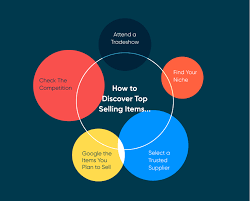
Where can you find these items? Lots of places! Thrift stores are a classic.
Stores like Goodwill, Salvation Army, and local charity shops are great. You can find clothes, home goods, books, and more. Prices are usually very low.
Garage sales and yard sales are another goldmine. People want to clear out their homes. They often sell items for very little.
Estate sales are also good. You might find vintage items or collections. Flea markets can have unique finds.
Sometimes you can even negotiate prices.
Don’t forget online sources too. Facebook Marketplace is popular. People sell items locally.
You can often find good deals. Craigslist is another option. Sometimes people give away items for free if you pick them up.
Online arbitrage is when you buy from one online store and sell on eBay. Retail arbitrage is buying from physical stores. You look for clearance items or sales.
Keep an eye on what’s trending. What are people searching for on eBay? What items sell quickly?
Research is your best friend here.
When you’re looking at an item, ask yourself a few questions. Is it in good condition? Are there any major flaws?
Does it work? Is it something people still use or collect? Does it have a unique appeal?
Use your smartphone. Look up the item on eBay while you’re out. See what similar items have sold for.
Check the “sold listings” section. This is the best way to see real market value. Don’t just look at active listings.
Those are asking prices. Sold listings show what people actually paid.
Remember to consider the size and weight of items. Shipping costs can eat into your profits. Very large or heavy items can be expensive to ship.
Also, think about fragility. Delicate items need more careful packaging. This adds to your costs and time.
Some items are restricted or prohibited on eBay. Always check eBay’s policies before listing.
Sourcing Smart: Quick Tips
- Check Condition Closely: Look for stains, tears, chips, or missing parts.
- Test Electronics: If possible, plug them in or test them.
- Research on the Go: Use your phone to check sold prices on eBay.
- Consider Shipping: Factor in box costs, shipping fees, and your time.
- Know Your Niche: Focusing on a few categories helps you learn what to look for.
Creating an Effective eBay Listing
Once you have an item, you need to show it off. Your eBay listing is your digital storefront. It needs to be clear, attractive, and informative.
This is how you convince someone to click “buy.” Good listings lead to more sales and happier customers.
The first thing people see are your photos. You need clear, well-lit pictures. Take photos from all angles.
Show any details. Show any flaws, too. Honesty is key.
Use your smartphone camera. Natural light is best. Avoid dark or blurry photos.
A plain background helps the item stand out. You can use a white sheet or poster board. Most sellers recommend taking at least 5-7 photos.
More is usually better.
Next is the title. Your title is super important for search. Use keywords that buyers will type.
Think about what the item is. What brand is it? What color?
What size? What condition? Use as much of the allowed character space as you can.
For example, instead of “Blue Shirt,” try “Men’s Blue Cotton T-Shirt Size Large Casual Crew Neck.” See how that is more helpful? Imagine you’re the buyer. What would you search for?
The description is where you provide all the details. Start with a strong opening sentence. Briefly describe the item.
Then, list its features. Include measurements. For clothing, this means chest, length, and sleeve measurements.
For other items, it might be dimensions. Be honest about the condition. Mention any wear, tear, or damage.
Use simple, easy-to-understand language. Break up the text with bullet points. This makes it easier to read.
Choose your selling format. You can use an auction format or a fixed-price format. Auctions can create excitement and get higher bids sometimes.
Fixed-price listings let buyers see the price and buy it instantly. Many sellers use “Buy It Now” with fixed-price. You can also add “Best Offer.” This lets buyers make an offer, and you can accept, counter, or decline.
It gives you more negotiation power.
Pricing is also crucial. Research what similar items have sold for. You want to be competitive.
But you also need to make a profit after fees and shipping. Don’t forget eBay’s fees. These include a final value fee (a percentage of the sale price) and often an insertion fee.
Look at your total cost. This is the item cost plus your time. Then add your desired profit.
Compare that to sold prices.
Listing Best Practices
- High-Quality Photos: Use good lighting and multiple angles.
- Keyword-Rich Titles: Help buyers find your item.
- Detailed Descriptions: Be honest about condition and include measurements.
- Competitive Pricing: Research sold listings.
- Clear Shipping Information: State costs and methods upfront.
Shipping and Handling Your Items
Shipping can seem tricky at first. But it’s a vital part of the selling process. Getting it right means happy customers.
Getting it wrong can lead to lost sales or negative feedback. You want to make it easy for buyers to get their items quickly and safely.
First, decide on your shipping strategy. You can offer free shipping. This is attractive to buyers.
But you need to build the shipping cost into your item price. Or, you can charge buyers for shipping. Use eBay’s shipping calculator.
It can estimate costs based on weight and destination. You can also set a flat rate. This is simpler but might not be accurate for everyone.
You’ll need shipping supplies. Start with basic things. You’ll need boxes, padded envelopes, packing tape, and packing materials like bubble wrap or packing peanuts.
You can often get free boxes from USPS if you use their flat-rate services. For other boxes, check with local stores or recycle your own. Always pack items securely.
Use enough padding to prevent damage during transit. A damaged item means a refund and a very unhappy customer.
Printing shipping labels is much easier than writing them by hand. You can print directly from eBay. You’ll need a printer.
The postage is usually paid through your eBay account. This saves you trips to the post office. You can also schedule package pickups from your home if your carrier offers it.
This is a huge time saver.
What shipping carriers should you use? USPS (United States Postal Service) is often the most popular for smaller items. They offer various services like First Class Mail, Priority Mail, and Media Mail (for books and media).
UPS and FedEx are good for larger or heavier packages. Compare prices for different carriers. Sometimes one is cheaper than another for the same package.
Always get tracking information. This protects you and the buyer. It shows when the item was shipped and when it was delivered.
When should you ship? Aim to ship items within one business day of purchase. This is a standard expectation for online sellers.
Many buyers appreciate fast shipping. It shows you’re reliable. Make sure your handling time is clearly stated in your listing.
This is the time between when a buyer pays and when you ship the item. Be realistic about how quickly you can get orders out.
Shipping Essentials
- Secure Packaging: Protect items from damage.
- Accurate Weight & Dimensions: Measure and weigh packages carefully.
- Compare Carrier Rates: Find the best price and service.
- Print Labels Online: Use eBay labels for convenience.
- Ship Promptly: Aim for one business day handling time.
- Always Use Tracking: Protect yourself and the buyer.
Customer Service: The Secret Sauce
In the world of reselling, great customer service is not just a nice-to-have. It’s a must-have. Happy customers come back.
They leave good reviews. They tell their friends. Unhappy customers can cause a lot of trouble.
They can leave bad feedback. They can open return requests.
What does good customer service look like on eBay? First, be polite and professional in all your communications. Answer questions quickly.
Buyers appreciate prompt responses. If a buyer asks about an item, give them a clear answer. If they have a problem with an order, listen to them.
Be honest in your listings. This is the first step to preventing problems. If you say an item is in excellent condition, it should be.
If you mention a flaw, make sure it’s noted. This builds trust. Buyers know what they are getting.
Handle returns gracefully. eBay has a buyer-friendly return policy. Sometimes items get lost or damaged.
Sometimes a buyer changes their mind. Have a clear return policy in your listings. Most sellers accept returns.
Decide if you will pay for return shipping. For items that were not as described, you should pay for return shipping. For buyer’s remorse, you can choose who pays.
Processing returns quickly is important.
Dealing with feedback is also part of customer service. Most buyers leave feedback after a transaction. Positive feedback is great.
It boosts your seller reputation. If you get negative feedback, don’t panic. Try to understand why the buyer was unhappy.
You can sometimes contact the buyer to resolve the issue. If the feedback seems unfair, you can contact eBay. But try to resolve things directly first.
A good relationship with your buyers is key to long-term success. It turns one-time buyers into repeat customers. Repeat customers are the backbone of many successful reselling businesses.
They know you’re reliable. They trust your products. They will keep coming back for more.
Customer Service Wins
- Respond Quickly: Answer buyer questions within 24 hours.
- Be Honest: Accurate descriptions prevent problems.
- Handle Returns Smoothly: Follow your policy and eBay rules.
- Stay Polite: Professionalism always matters.
- Manage Feedback Wisely: Address issues constructively.
Building Your eBay Store
As you get more comfortable, you’ll want to grow. How do you turn this hobby into something bigger? It’s about building a brand and scaling your efforts.
First, think about your seller store. You can set up an official eBay Store. This gives you a dedicated page on eBay.
You can add branding, logos, and a custom banner. It looks more professional. It helps customers recognize your store.
eBay Stores also offer different fee structures. It can be cheaper for sellers who list a lot of items.
What kind of products should you focus on? As mentioned before, finding a niche can be smart. When you become an expert in a certain category, you know what to look for.
You know what sells. You can build a reputation as the go-to seller for those items. This could be vintage denim jackets, collectible action figures, or specific types of electronics.
Consider sourcing more efficiently. If you find a great supplier for a particular item, maybe you can buy in larger quantities. This can lower your per-item cost.
You might also look for wholesale lots of items. These are often sold in bulk. They can be a good way to get many items at a low price.
But research these carefully. Make sure the items are sellable.
Learn about inventory management. As your stock grows, you need to know what you have. You need to know where it is.
A simple spreadsheet can track what you bought, when you bought it, what you paid, and when you listed it. This helps you avoid selling items you don’t have. It also helps you track your profits accurately.
Marketing outside of eBay can also help. You can use social media. Share your listings on platforms like Instagram or Pinterest.
Create content related to your niche. This can drive traffic to your eBay store. Building an email list of past customers is also valuable.
You can let them know when you have new items.
Keep learning and adapting. The eBay platform changes. Trends change.
What sells well today might not tomorrow. Stay updated. Read eBay seller news.
Follow successful sellers. Learn from their strategies. Continuous improvement is key to sustained growth.
Scaling Your Reselling Business
- eBay Storefront: Create a professional branded presence.
- Niche Down: Become an expert in a specific product category.
- Bulk Sourcing: Look for wholesale or liquidation opportunities.
- Inventory Tracking: Use spreadsheets or software to manage stock.
- External Marketing: Leverage social media and email lists.
- Continuous Learning: Stay updated on trends and platform changes.
Common Challenges for Beginner eBay Sellers
It’s not always smooth sailing when you start reselling. You’ll likely face some hurdles. Knowing what they are can help you prepare and overcome them.
One common issue is finding the time. Sourcing, listing, packing, and shipping all take time. If you have a full-time job or other commitments, it can be tough to fit it all in.
Be realistic about your schedule. Start small and gradually increase your volume as you find more time.
Dealing with difficult buyers can be stressful. Some buyers might be unreasonable. They might try to scam you.
They might leave unfair feedback. It’s important to stay calm and professional. Follow eBay’s policies.
Document everything. If you suspect fraud, report it to eBay.
Profit margins can also be a challenge. It’s easy to get excited about a sale. But if you haven’t factored in all the costs – item cost, eBay fees, PayPal fees, shipping supplies, postage, and your time – you might not be making as much as you thought.
It’s crucial to calculate your costs accurately before pricing.
Storage can become an issue too. As your inventory grows, you need a place to keep it. Cluttered spaces can make it hard to find items.
Designate a specific area for your inventory. Keep it organized. This will save you a lot of headaches.
Staying motivated is another challenge. There will be days when sales are slow. There will be times when sourcing is difficult.
It’s important to remember why you started. Set small goals. Celebrate your successes.
Keep reminding yourself of the potential rewards.
Navigating Common Pitfalls
- Time Management: Allocate specific time slots for reselling tasks.
- Difficult Buyers: Stay calm, professional, and follow eBay policy.
- Profit Calculation: Account for all costs and fees.
- Inventory Storage: Designate an organized space for your stock.
- Maintaining Motivation: Set goals and acknowledge progress.
When is it Time to Worry?
While most eBay reselling is straightforward, there are times when you should pay attention. It’s about recognizing when things might not be right. This helps you avoid bigger problems.
If you consistently see a large number of returns, that’s a red flag. It might mean your items are not as described. Or maybe your packaging isn’t adequate.
Look closely at the reasons for returns. Are they all the same? This is your clue to fix the problem at the source.
Negative feedback can be a warning sign too. If you start getting several negative reviews, it’s time to evaluate your processes. Are buyers unhappy with shipping speed?
Is the item quality poor? Is your communication lacking? Address these issues directly.
If you notice a significant drop in sales without any apparent reason, investigate. Has your pricing become uncompetitive? Are your listings not appearing in search results?
Have trends changed? Sometimes, it’s a simple fix, like updating keywords. Other times, it might mean a shift in strategy.
Watch out for suspicious buyer behavior. If a buyer asks for your personal email right away, or asks you to complete a sale off-eBay, be very cautious. These are often signs of scams.
Always complete transactions through eBay’s system. This provides protection for both parties.
Finally, if your profits start to shrink despite steady sales, examine your costs. Are shipping supplies more expensive? Have eBay fees increased?
Are you spending too much on sourcing items that don’t sell well? Keep a close eye on your numbers.
Quick Tips for New eBay Sellers
Here are some final, bite-sized tips to help you on your eBay reselling journey:
- Start with what you know: Sell items you understand or have an interest in.
- Don’t buy too much inventory at once: Start small and reinvest profits.
- Take excellent photos: This is your most important selling tool.
- Write clear, detailed titles and descriptions: Help buyers find and trust your listings.
- Price competitively, but ensure profit: Research sold items.
- Ship quickly and package items well: This leads to happy customers.
- Respond to messages promptly: Good communication is key.
- Learn from your mistakes: Every sale is a learning opportunity.
- Be patient: Building a successful reselling business takes time.
- Read eBay’s seller policies: Understand the rules of the platform.
Frequently Asked Questions About eBay Reselling
What are the best items to resell on eBay?
The best items are those in demand that you can source at a low price. Popular categories include clothing, electronics, collectibles, home goods, and vintage items. Researching what’s selling well on eBay by looking at sold listings is crucial.
How much money do I need to start reselling on eBay?
You can start reselling on eBay with very little money. Many sellers begin by selling items they already own. With as little as $50-$100, you can buy some initial inventory from thrift stores or garage sales.
How do I find items to resell if I don’t have a lot of money?
Focus on free or very low-cost sources. Look for items in your own home that you no longer need. Visit thrift stores, garage sales, and estate sales on discount days.
Check online marketplaces like Facebook Marketplace for free items or great deals.
What are the biggest mistakes new eBay sellers make?
Common mistakes include poor-quality photos, inaccurate descriptions, not researching sold prices, underestimating fees and shipping costs, and poor customer service. Not being patient also leads many beginners to give up too soon.
How long does it take to make a profit on eBay?
This varies greatly. Some sellers see profits within their first few sales, especially if they start with items they already own. Others take a few weeks or months to build inventory and refine their strategy to consistently turn a profit.
Consistency and learning are key.
Should I accept returns on eBay?
It is highly recommended to accept returns. eBay favors sellers who offer returns, and it can improve your visibility and buyer trust. You can decide whether to offer free returns or have the buyer pay for return shipping based on the item and situation.
Conclusion
Starting your journey as an eBay reseller is an exciting prospect. It offers flexibility and the chance to build something of your own. Remember to start simple, focus on learning, and be patient.
Your first few sales are just the beginning. With consistent effort and a willingness to adapt, you can create a rewarding reselling business.