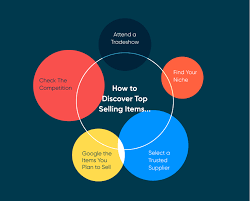
Finding things to sell can be tough. You want items that people want to buy. You also want to make some money.
It’s a common puzzle for many. Maybe you’ve thought about starting a small business. Or perhaps you just want to clear out clutter.
Whatever your reason, knowing what sells is key. This guide will walk you through it. We’ll explore popular items.
We’ll also look at smart ways to find them. Let’s get started!
The best items to resell are those in high demand but with limited availability, often found at low cost. Look for gently used or new items in categories like clothing, electronics, home goods, and collectibles. Focusing on niche markets can also be highly profitable.
Understanding your audience is crucial for success.
What Makes an Item Good to Resell?
Several things make an item a winner for resale. First, people need to want it. This means it’s popular.
It could be a trendy item. Or it could be something people always need. Second, the price matters.
You need to buy it low. Then, you sell it for more. This is your profit.
Think about the condition too. New or almost new items sell best. Some older items are special.
They can be worth a lot. These are often called collectibles.
Scarcity also plays a role. If not many people have it, it can be more valuable. This is especially true for unique or rare items.
Consider the size and weight. Heavy or large things can cost more to ship. This cuts into your profit.
Finally, think about trends. What’s hot right now? What might be popular next year?
My First Reselling Adventure: A Tale of Old Books
I remember when I first dipped my toes into reselling. It wasn’t glamorous. I was cleaning out my parents’ attic.
Dust motes danced in the single shaft of light. I found a stack of old books. They were hidden under a worn-out rug.
My dad loved collecting them. Most were just dusty paperbacks. But one felt different.
It was a hardcover. The title was faded. It looked old.
My heart did a little flutter. Could this be worth something?
I took it home. A quick search online showed me it was a first edition. It was in pretty good shape too.
A collector paid over $100 for it. That small win felt huge. It was more than just the money.
It was the thrill of finding hidden treasure. It showed me that value can be hidden anywhere. That first book taught me to look closer.
It made me curious about what else people might overlook.
Popular Resale Categories
Here are some top areas where people find success:
- Clothing: Brand name clothes, vintage styles, designer shoes.
- Electronics: Smartphones, laptops, gaming consoles, accessories.
- Home Goods: Small furniture, decor, kitchenware, linens.
- Toys & Games: Collectible action figures, board games, retro video games.
- Books: First editions, rare titles, textbooks, niche subjects.
- Tools: Hand tools, power tools, specialized equipment.
Where to Find Items to Resell
Finding items is part of the fun. Many places offer good deals. You just need to know where to look.
Think about places people sell things cheap. Yard sales are a classic. People want to get rid of stuff.
They often price it very low. Go early for the best picks. Estate sales are similar.
They happen when someone passes away. The family wants to sell everything. You can find great deals there.
Thrift stores are treasure troves. Goodwill and Salvation Army are common. Local charity shops also work.
Items are donated. They are sold for charity. Prices are usually very low.
You need patience to search. Garage sales are another option. Some people have them often.
They are great for local finds. Online marketplaces can also work. Look on Craigslist or Facebook Marketplace.
People sell items they don’t want. Sometimes you can find things for free.
Don’t forget clearance sections in stores. Retailers mark down items. They want to sell old stock.
You can buy them cheap. Then sell them for a profit. Auctions can be good too.
Online auctions like eBay are popular. Local auctions can offer big discounts.
Quick Scan: Finding Deals
Place: Yard Sales
Best For: Furniture, clothes, home decor
Tips: Go early, haggle politely.
Place: Thrift Stores
Best For: Clothing, books, unique finds
Tips: Visit often, check for damage.
Place: Online Marketplaces
Best For: Anything, especially bulky items
Tips: Filter by price, check seller reviews.
Popular Items That Always Sell
Some items have a steady demand. People always need them. These are good bets for reselling.
Brand name clothing is a big one. Think about brands like Nike, Adidas, or Lululemon. People look for these.
They want good quality. Vintage clothing is also popular. Older styles can be very trendy.
Especially if they are in good condition.
Electronics sell well. Smartphones, tablets, and laptops are always in demand. Make sure they work.
Test them before you buy. Gaming consoles and games are also great. People love to play.
Even older consoles can sell. Check out the condition. Make sure all parts are there.
Home goods are another strong category. Think about decorative items. Small furniture pieces are popular too.
Kitchen gadgets and nice linens can sell. People like to update their homes. They look for unique or quality items.
Collectibles are a special group. These can be toys, coins, or stamps. They need to be rare or old.
People collect them. They pay more for them.
Books can be profitable. Textbooks are often needed by students. Old or rare books can be valuable.
Look for first editions. Special interest books also sell. Think about hobbies.
People will pay for knowledge.
Top 5 Steady Sellers
(Nike, Adidas, etc.)
(Used but working)
(Unique pieces)
(Popular titles, consoles)
(Well-kept, popular characters)
The Thrill of the Niche: Finding Your Specialty
Sometimes, the best items are not the most popular. They are items in a special group. This is called a niche.
Think about what you love. Do you like old tools? Maybe vintage cameras?
Or perhaps rare comic books? Focusing on a niche can help. You become an expert.
You know what to look for. You know what people will pay.
For example, I know someone who resells vintage band t-shirts. He knows all the bands. He knows the rare prints.
He finds them at flea markets. People pay a lot for these shirts. Another person loves old board games.
Some old games are very rare. They are worth a lot of money to collectors. This takes knowledge.
You have to learn about the niche. But once you do, you can find great deals.
Why is a niche good? You face less competition. Not everyone knows about vintage tools.
But the people who do know might pay top dollar. You can build a reputation. Customers will find you.
They know you have what they want. It makes your reselling business stronger. It’s more fun too when you love what you sell.
What About Trends? Riding the Wave
Trends can be a goldmine. What’s popular right now? Think about fashion.
What colors are in? What styles are people wearing? What about popular TV shows or movies?
Items related to them can sell well. Collectible toys often follow trends. Limited edition items are huge.
People want what’s new and exciting.
You need to be quick with trends. They change fast. What’s popular today might not be tomorrow.
So, buy smart. Don’t buy too much if it’s a fleeting trend. A good example is fidget spinners a few years ago.
They were everywhere. Then they faded. If you bought too many, you might still have them.
Social media is a good place to watch trends. See what influencers are showing. What are people talking about?
Sites like TikTok and Instagram are useful. You can see what’s gaining popularity. This helps you spot trends early.
You can then try to find those items. Sell them before the trend dies down.
Trendspotting Checklist
- Social Media Scan: Check popular hashtags and influencer posts.
- News & Pop Culture: What movies, shows, or events are big?
- Fashion Blogs: See what colors and styles are recommended.
- Google Trends: See what people are searching for more often.
- Ask Friends: What are younger people excited about?
Electronics: The Double-Edged Sword
Electronics are a big area for reselling. People always want the latest gadgets. But there are risks.
You must know what you’re buying. Some older electronics are not worth much. Newer ones can be expensive to buy.
Always test them thoroughly. Make sure they power on. Check all the buttons and ports.
Are there any scratches or dents?
Batteries can be a problem. Do they hold a charge? Are they easy to replace?
Software is another issue. Is the device locked? Can you reset it?
Factory resets are often needed. Make sure you can do this. Buying used electronics requires trust.
The seller should be honest.
Consider accessories. Does it come with a charger? Original boxes add value.
If you can buy them cheap, they can sell well. Think about Apple products. iPhones and iPads are popular.
Older models can still sell. But their value drops fast. Samsung phones are also good sellers.
Laptops and desktop computers can work. But their specs matter a lot. Older ones may be too slow for most people.
Home Goods: Decor and Practicality
The home goods market is vast. People love to make their homes nice. Small decorative items are easy to sell.
Think about vases, picture frames, or lamps. Unique art pieces can do well. Candles and diffusers are often bought.
Kitchenware is another area. Nice sets of dishes or cookware can sell.
Small appliances are also popular. Think about coffee makers or blenders. Make sure they are clean.
Test them if possible. People want items that look good. And that work well.
Furniture is trickier. Small pieces like side tables or chairs can be good. Larger items are hard to move and ship.
They are best for local sales.
Consider linens. Nice towels or bedding sets can sell. Vintage linens are also sought after.
Look for quality materials. Things made of natural fibers often last longer. And people appreciate that.
Always check for stains or damage. Good photos are important for home goods. Show them in a nice setting.
Home Goods Reality Check
Myth: Any old furniture sells.
Reality: Only small or highly desirable furniture pieces are easy to resell. Large items need local sales and buyers.
Myth: Damaged items can be fixed and sold.
Reality: While some repairs are easy, major damage often makes an item unsellable or cuts profit too much. Inspect closely.
Myth: Kitchen gadgets are always easy profit.
Reality: Some are. But many are very common. Look for unique or higher-end brands to stand out.
Clothing Resale: The Fashion Factor
Clothing is a huge market. Everyone wears clothes. And people want to look good.
Brand name clothing is key. Think about athletic brands. Or popular casual brands.
Designer clothes are even better. But they are harder to find cheap.
Vintage clothing has a special appeal. People like the unique styles. They like the history.
Check for condition. Holes, stains, or worn fabric can ruin value. Measure clothes too.
Sizes vary a lot. Especially with vintage items. List measurements clearly.
Buyers appreciate this.
Shoes are a big part of clothing resale. Sneakers are very popular. Especially limited edition ones.
Dress shoes and boots can also sell. Again, condition is vital. Check the soles.
Are they worn out? Are there scuffs? Clean shoes look much better.
When selling clothes, presentation matters. Wash and iron them. Take good, clear photos.
Show the item from all angles. Highlight any unique features. Or any flaws.
People want to see exactly what they’re getting. This builds trust. And leads to more sales.
Collectibles: For the Passionate Buyer
Collectibles are items people gather. They often pay more for them. This is because they are rare.
Or have sentimental value. Or are part of a set. Toys are a big collectible area.
Think about action figures. Or dolls. Old video games are also collectible.
Star Wars items are always popular. So are items from other classic movies.
Coins and stamps are traditional collectibles. You need knowledge here. Know what makes them rare.
Look for mint condition. Special mint marks can add value. Older stamps can be valuable too.
Especially if they are rare. Or part of a special series.
Comics are another big one. First issues are often sought after. Rare variants can be worth a lot.
Graded comics are even better. They are professionally certified. This adds a lot of trust for buyers.
Trading cards are also huge. Think baseball cards or Pokemon cards. Older cards are usually more valuable.
The condition is everything. If they are in perfect shape, they can be worth thousands. You need to research carefully.
Know the history of the item. Know what collectors want.
Collectible Categories to Explore
Toys: Vintage action figures, dolls, playsets.
Trading Cards: Baseball, Pokemon, Magic: The Gathering.
Comics: First issues, rare variants, graded comics.
Coins: Old pennies, silver dollars, rare mints.
Stamps: Rare commemoratives, first-day covers.
Memorabilia: Sports, movie, music items.
How to Spot a Genuine Bargain
Spotting a bargain is a skill. It takes practice. First, know what something is worth.
Research prices. Look at sold listings on eBay. See what similar items actually sold for.
Not what people are asking. This is very important.
Check the item’s condition closely. Are there any hidden flaws? Scratches, cracks, or tears?
Does it work? Ask questions. Be polite.
A seller might tell you more. Look for items that are priced low. Because the seller doesn’t know the value.
Or they just want to sell it fast.
Think about bulk buys. Sometimes you can buy a lot of items cheap. This could be a box of books.
Or a collection of old toys. You might not love every item. But if you get the lot for a good price, you can sell the good ones.
And keep the rest for yourself. Or sell them cheaper.
Don’t be afraid to negotiate. Most sellers expect it. Especially at yard sales or flea markets.
Make a reasonable offer. Be polite. If they say no, that’s okay.
Move on. There are always more deals to find. Sometimes sellers have items they can’t move.
They might drop the price a lot. Look for these situations.
Pricing Your Items for Profit
Pricing is key to making money. You need to cover your costs. And make a profit.
Start by researching. See what similar items sold for. Use eBay sold listings.
Or check other marketplaces. This gives you a price range.
Consider your costs. What did you pay for the item? Add any fees.
Shipping costs. Packaging costs. Your time is also a cost.
Figure out your desired profit. A common rule is to aim for 2-3 times your cost. So, if you paid $10, try to sell it for $20-$30.
But this varies a lot.
Think about the item’s condition. Mint condition items fetch higher prices. Items with flaws need lower prices.
Be honest about the condition. Describe any damage clearly. This prevents problems later.
You can start a bit higher. See if people bite. If it doesn’t sell, lower the price.
Or try a different platform. Sometimes offering free shipping is a good strategy. It attracts buyers.
Just make sure your price covers it. Bundling items can also work. Sell a few related things together.
Pricing Strategy Steps
1. Research: Find sold prices for similar items.
2. Calculate Costs: Item cost + fees + shipping + packaging.
3. Set Target Profit: How much do you want to make?
4. List Price: Start with a competitive price, adjust as needed.
5. Be Flexible: Lower price or bundle if needed.
Selling Platforms: Where to List Your Items
Once you have items, you need to sell them. Where will you list them? eBay is a big one.
It has a huge audience. You can sell almost anything there. It has auctions and fixed-price options.
Fees can add up though.
Facebook Marketplace is great for local sales. Especially for larger items. You avoid shipping costs.
It’s also free to list. But you need to arrange meetups. Be safe when meeting strangers.
Poshmark is popular for clothing. It’s easy to use. You can often sell clothes quickly there.
Mercari is another good option. It handles many item types. It’s known for being user-friendly.
Etsy is best for vintage or handmade items. If you find unique vintage decor, Etsy might be perfect.
Consider niche platforms too. For books, Abebooks or Biblio are good. For collectibles, specialized forums or sites might exist.
Think about your item. And who would want to buy it. Then choose the platform that best reaches them.
The Power of Presentation: Photos and Descriptions
Your listing is your sales pitch. Good photos and descriptions are vital. Use good lighting.
Natural light is often best. Avoid dark or blurry photos. Take pictures from multiple angles.
Show the front, back, sides. Show any tags or labels.
If there are flaws, show them clearly. A small scratch or a loose thread. Honesty builds trust.
Buyers hate surprises. Use a plain background. This makes the item stand out.
Don’t clutter the photo. Your item is the star.
Your description needs to be accurate. And appealing. Start with the item’s name.
Then list key features. Brand, size, color, material. Mention its condition.
Use keywords people might search for. Like “vintage,” “rare,” or the brand name.
Describe the item’s benefits. Why would someone want it? Is it stylish?
Is it useful? Is it a rare find? Be honest but enthusiastic.
Keep sentences short and clear. Proofread for typos. A well-written description makes your item look professional.
And more desirable.
Listing Essentials
High-Quality Photos: Bright, clear, multiple angles, plain background.
Accurate Title: Use relevant keywords.
Detailed Description: Include brand, size, color, material, condition, unique features.
Honest Condition Report: Mention any flaws clearly.
Competitive Pricing: Based on research.
Clear Shipping Info: Costs, methods, estimated delivery.
Shipping It Out: The Logistics
Shipping can be tricky. It costs money and time. Weigh your item accurately.
Use a kitchen scale or postal scale. This is crucial for correct postage. Get a box that fits.
Or a padded envelope. Make sure it’s sturdy.
Use packing materials. Bubble wrap is good. Packing peanuts or crinkled paper can fill gaps.
This protects the item. You don’t want it to break. Tape the box securely.
Make sure it won’t pop open.
Buy postage online. It’s often cheaper. Sites like Pirate Ship can save you money.
You can print labels at home. Or take the package to the post office. Get a tracking number.
This is for your protection. And the buyer’s peace of mind.
Consider your shipping costs. You can offer free shipping. This means you build the cost into the item price.
Or you can charge shipping. Make sure your calculation is right. International shipping is more complex.
And usually costs much more. Stick to domestic shipping at first.
Building Trust and Getting Good Reviews
Good reviews are gold for resellers. They show you are trustworthy. And that you provide good service.
Always be honest in your listings. Describe items accurately. Take clear photos.
Pack items well. Ship them quickly.
Communicate with your buyers. Send a thank-you note. Let them know when you ship.
Respond to questions promptly. If there’s a problem, fix it. Offer a refund if needed.
Good customer service goes a long way.
Ask buyers for reviews. A simple message after delivery can help. “I hope you are happy with your item.
If so, a review would be greatly appreciated.” Most people are happy to leave feedback. If they had a good experience. Good reviews attract more buyers.
They build confidence. And lead to more sales.
When to Stop and Reassess
Not every item is a winner. Sometimes you buy something that just won’t sell. Or it sells for less than you hoped.
That’s okay. It happens to everyone. Don’t get discouraged.
Learn from it.
Why didn’t it sell? Was the price too high? Was the description poor?
Were the photos bad? Or is there just no demand for it? Sometimes, you need to cut your losses.
Lower the price further. Or even donate it. And move on to something else.
Look at your sales data. What items sold fast? What sold well?
What items are sitting there for months? Focus on what works for you. Try to find more items like those.
If you keep hitting dead ends, take a break. Rethink your strategy. Are you looking in the right places?
Are you targeting the right buyers?
Reselling is a learning process. Each sale is a lesson. Keep track of your wins and losses.
Use that knowledge. It will make you a better reseller. Over time.
You will get better at spotting deals. And at knowing what people want to buy.
Frequently Asked Questions About Reselling Items
What is the easiest item to resell?
For beginners, clothing from popular brands or common electronics like working smartphones are often easiest. They have high demand and clear resale value. However, “easiest” depends on your knowledge and access to inventory.
What items have the highest profit margin when reselling?
Items like rare collectibles, vintage designer clothing, limited edition sneakers, or unique antique furniture can have very high profit margins. This is because their value is often much higher than their acquisition cost, but they require specialized knowledge and a specific buyer.
How do I know if an item is worth reselling?
Research is key. Check sold listings on platforms like eBay to see what similar items have actually sold for. Also, consider the item’s condition, brand, rarity, and demand.
If you can acquire it for significantly less than its market value, it’s likely worth reselling.
Can I resell items I find for free?
Yes, absolutely! Items found for free (like from curbside pickups or given away online) offer the highest potential profit margin because your cost is zero. However, ensure they are clean, functional, and desirable before listing.
What are common mistakes new resellers make?
Common mistakes include overpaying for inventory, not researching item values, poor item descriptions or photos, not factoring in all costs (like fees and shipping), and not understanding their target audience. Patience and learning from mistakes are vital.
Is it better to sell online or locally?
It depends on the item. For bulky furniture, local sales (like on Facebook Marketplace) are usually best to avoid high shipping costs. For smaller, easily shippable items like clothing, electronics, or collectibles, online marketplaces (like eBay, Poshmark, or Mercari) offer a wider audience and potential for higher prices.
Final Thoughts on Finding Your Next Resale Item
The world of reselling is full of opportunity. It’s about spotting value. And connecting items with people who want them.
Start by looking around you. Your own home might have treasures. Then explore local spots like thrift stores.
And online marketplaces.
Focus on items you know. Or are willing to learn about. Great photos and honest descriptions are your best tools.
Pricing smartly will ensure profit. And good customer service will build your reputation. Happy hunting for your next great resale item!