What Is Facebook Marketplace Flipping?
Facebook Marketplace is a digital garage sale. You can buy and sell items right in your local area. Flipping means buying something for less than you think it’s worth.
Then, you sell it to someone else for more money. This is often called “arbitrage.”
Think of it like finding a hidden gem. You spot an item that others might overlook. Maybe it’s priced too low.
Or perhaps it needs a little fixing up. You buy it, make it look better, or simply list it at a fairer price. Then, someone else buys it from you.
You’ve made a profit!
Many people do this as a side hustle. It can be fun and rewarding. You get to hunt for treasures.
You also learn about different products. It’s a great way to use your free time. Plus, you can control how much effort you put in.
Some people flip a few items a month. Others do it full-time.
Why Facebook Marketplace is a Great Place for Flipping
Facebook Marketplace is booming. It’s easy to use. Most people already have a Facebook account.
This makes signing up and starting simple. You can see items near you instantly. This saves on shipping costs.
It also means faster sales. You can meet up with buyers quickly.
There are millions of users. This means a huge selection of items. You can find almost anything.
Furniture, electronics, clothes, collectibles – you name it. This variety is key for finding profitable items. You aren’t limited to just one type of product.
This keeps things exciting.
The platform is also free to use. There are no listing fees. This means more of your profit stays with you.
You can chat with sellers directly. This helps you ask questions. It also lets you negotiate prices.
Building a good rapport can lead to better deals.
Popular Items for Flipping on Marketplace
Furniture: Old tables, chairs, dressers, sofas. Especially solid wood pieces that can be refinished.
Electronics: Working TVs, game consoles, laptops, phones. Check if they are fully functional.
Tools: Power tools, hand tools, gardening equipment. Buyers often look for good quality brands.
Collectibles: Vintage toys, old books, records, decor items. Know your niche.
Baby Gear: Strollers, cribs, high chairs. These can be expensive new, so used is popular.
Home Decor: Lamps, mirrors, artwork. Items with unique style.
Finding Profitable Items: The Hunt Begins
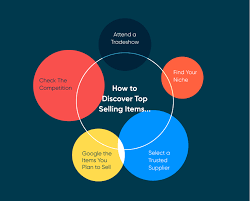
Finding good deals is the heart of flipping. You need to know what sells. You also need to know what people are willing to pay.
Research is key. Look at what’s already sold on Marketplace. Check other sites too, like eBay or Craigslist.
See what prices are common for items you’re interested in.
Look for overlooked items. Sometimes sellers don’t know the true value of what they have. They might price it low just to get rid of it. This is your chance.
A little bit of cleaning or repair can make a big difference. Think about items that are popular but often sold quickly.
Consider items that are easy to transport. Large furniture can be tricky. You need a truck. Buyers might not have one.
Smaller items are easier to manage. They are also easier to store. This is especially important when you’re just starting out.
Focus on things you can handle easily.
Think about condition. Is the item broken? Can it be fixed easily? If it’s a simple fix, you might get it for very cheap.
Then, you can repair it yourself. This adds value. If it’s a major repair, it might not be worth the effort or cost.
Always factor in repair costs and time.
Quality matters. Brands like Pottery Barn, West Elm, or high-end tool brands often hold their value. People look for these names. They know they are getting something durable.
Even if it’s a few years old, a good brand can still sell well. Look for solid construction in furniture. Check for well-known models in electronics.
Be quick! Good deals go fast. Set up notifications for your searches. When you see something promising, contact the seller right away.
Have your questions ready. Be prepared to go see it soon. Sometimes, being the first to respond is all it takes.
Quick Scan: What Makes an Item “Flippable”?
High Demand, Low Supply: Items people want but are hard to find.
Underpriced: Seller doesn’t know its true worth or needs a quick sale.
Minor Flaws: Easy to fix or clean, adding value without much cost.
Good Brand Name: Known for quality and durability.
Portable Size: Easy for you to pick up and for buyers to transport.
Visual Appeal: Can be made to look attractive with minimal effort.
My Own Early Flipping Mishap
I remember one of my first flips. It was a dresser. It looked old but sturdy.
The seller listed it for $30. I thought it was a steal. I went to pick it up.
It was heavy. My friend helped me load it into my car. When I got it home, I started cleaning it.
That’s when I noticed it. The drawers were warped. They wouldn’t slide in properly.
I spent hours trying to fix them. I even tried sanding them down. It didn’t help much.
I ended up having to buy new drawer slides and wood filler. It cost me almost as much as the dresser.
I finally got it looking decent. I listed it for $100. It took weeks to sell.
My profit was tiny. I learned a big lesson that day. Always inspect items carefully in person.
Check every part. Test everything you can. Don’t just trust the pictures.
This mistake taught me to be more thorough.
Communicating with Sellers: Tips and Tactics
Talking to sellers is crucial. Be polite and respectful. Start with a friendly greeting.
Ask clear questions about the item. For example: “Is this item still available?” or “Does the TV have any scratches?” The more information you get, the better. This helps you avoid surprises later.
Negotiating is key. Most sellers expect some back-and-forth. Don’t offer a super lowball price right away. That can offend people.
Start with a reasonable offer. You can say something like, “Would you take $X for it?” Be prepared to explain your offer if needed. For instance, if you see a flaw, you can point it out politely.
Be clear about pickup. Once you agree on a price, discuss logistics. Who will pick it up? When?
Do you need help loading it? Make sure you both agree on the terms. If you need help, mention it upfront.
This avoids awkward moments at pickup.
Watch for red flags. If a seller seems pushy or won’t answer simple questions, be cautious. If they rush you to pay without letting you see the item, that’s a big warning sign. Trust your gut.
If something feels off, it probably is.
Seller Communication Dos and Don’ts
DO: Be polite and friendly.
DO: Ask specific questions about condition and history.
DO: Make reasonable offers based on your research.
DO: Confirm pickup details clearly.
DON’T: Be rude or demanding.
DON’T: Make extremely low offers to start.
DON’T: Agree to terms you’re uncomfortable with.
DON’T: Share personal information beyond what’s needed for the sale.
Inspecting Items In Person: What to Look For
This is where your keen eye comes in. When you go to see an item, check it thoroughly. For furniture, test the drawers and doors.
Wiggle the legs to see if it’s sturdy. Look for water damage, deep scratches, or missing pieces. Smell the item.
Does it have a musty or smoky odor?
For electronics, ask to test them. Plug them in. Turn them on.
Make sure all buttons work. Check the screen for dead pixels. Listen for strange noises.
For clothing, inspect seams. Look for stains or holes. Check zippers and buttons.
For tools, look for rust. Check the condition of the cord. Make sure any moving parts work smoothly.
If it’s a power tool, ask if you can hear it run. This helps you identify potential issues early.
Don’t be afraid to walk away. If you find too many problems, it’s okay to politely decline the purchase. You can say, “Thanks for your time, but I don’t think this is the right fit for me.” It’s better to lose a potential deal than to buy something that won’t sell or will cost you too much to fix.
Pre-Purchase Checklist
Item Type:
Price Agreed: $
Structural Integrity: (e.g., Wobbly? Damaged?)
Cosmetic Condition: (e.g., Scratches? Stains?)
Functionality: (e.g., Does it work? Test all features.)
Smell/Odor: (e.g., Smoke? Mold?)
Missing Parts:
Repair Needed? Cost Estimate: $
Decision: BUY / WALK AWAY
Cleaning and Preparing Items for Resale
Once you’ve bought an item, the next step is making it look its best. This is where you add value. A clean item looks more appealing.
It suggests it was well-cared for.
Basic Cleaning: For most items, a good wipe-down works wonders. Use appropriate cleaners for the material. For wood, a good wood cleaner and polish can make a big difference.
For fabric, a fabric cleaner or upholstery cleaner can remove stains and odors. For electronics, use a soft cloth and maybe some electronic cleaner. Be gentle.
Minor Repairs: If you found small issues, now is the time to fix them. Tighten loose screws. Fill small holes with wood filler and touch up with paint.
Replace a missing button or knob. These small efforts can boost your profit significantly.
Refurbishing: For furniture, a light sanding and a fresh coat of paint or stain can transform it. You don’t need to be a master carpenter. Simple projects like updating hardware can also make a piece look modern.
Research DIY tutorials online for specific techniques.
Photography: Good photos are essential for selling. Find good lighting. Natural light is usually best.
Clean the background so it’s not distracting. Take pictures from different angles. Show any features or details.
If there are minor flaws, it’s often best to show them clearly. Honesty builds trust.
Writing Descriptions: Be honest and detailed. Mention the brand, model, and dimensions. Describe its condition accurately.
Highlight any improvements you made. Use keywords that buyers might search for. Keep it concise but informative.
Quick Refurbishing Ideas
Furniture: New knobs/pulls, fresh coat of paint, wax finish, minor touch-ups.
Electronics: Thorough dusting, screen cleaning, new batteries, cable management.
Clothing: Stain removal, mending small tears, de-pilling sweaters, ironing.
Tools: Rust removal, sharpening blades, oiling metal parts, cleaning handles.
Pricing Your Items for Sale
Pricing is a balancing act. You want to make a profit, but you also want to sell the item relatively quickly. Research is your best friend here.
Check sold listings. On Facebook Marketplace, you can often see if similar items have sold. Also, check eBay’s “sold” items. This gives you a realistic idea of what buyers are paying.
Don’t just look at active listings, as those are asking prices, not selling prices.
Factor in your costs. Add up what you paid for the item. Include any money you spent on cleaning supplies, paint, or parts for repairs. Also, consider your time.
How many hours did you spend cleaning, repairing, and listing? While you don’t usually charge an hourly rate directly, your profit should reflect this effort.
Consider the item’s condition. A like-new item can command a higher price than one with minor wear. If you did significant repairs or refurbishment, this adds value too.
Be competitive. If there are many similar items for sale, you might need to price yours a bit lower to stand out. However, don’t drastically underprice a good item. You want to get the most you can for it.
Leave room for negotiation. Most buyers expect to haggle a little. You can price your item slightly higher than your absolute minimum selling price. This gives you room to come down if a buyer offers less.
Dealing with Buyers and Completing the Sale
Once you list your item, be ready for questions. Respond promptly. When a buyer agrees to purchase, confirm the final price and pickup details.
This is important.
Meeting in person: For safety, always meet in a well-lit, public place if possible. Police station parking lots or busy shopping center areas are good options. If you are selling something large that needs to be picked up from your home, have someone else present.
Let a friend or family member know who is coming and when.
Payment: Facebook Pay is convenient. Cash is also common. If you accept cash, have small bills for change if needed.
Be wary of buyers who want to pay with checks or money orders. These can sometimes be fraudulent. Also, be cautious of buyers who offer to pay more than the asking price and ask you to send them the difference back.
This is a common scam.
The exchange: When the buyer arrives, let them inspect the item one last time. Once they are satisfied, complete the transaction. Make sure you have received payment before handing over the item.
For digital payments, wait for the confirmation.
After the sale: You can politely thank the buyer. Sometimes, buyers will leave reviews. Positive reviews can help you build a good reputation on Marketplace.
Post-Sale Best Practices
Confirm Payment: Ensure you have received the agreed-upon amount.
Secure Item Exchange: Trade the item only after payment is confirmed.
Public Meet-up: Prioritize safety with well-lit, public locations.
Have a Buddy: If meeting at home, ensure someone else is present.
Watch for Scams: Be skeptical of unusual payment requests.
Update Listing: Mark the item as sold immediately.
Common Scams and How to Avoid Them
Unfortunately, online marketplaces attract scammers. Being aware is your best defense.
Overpayment Scams: A buyer sends a fake payment or a check for more than the item’s price. They ask you to refund the difference. The original payment is often fraudulent.
Never send money back until you are sure the payment cleared.
Fake Payment Apps: Scammers might create fake versions of payment apps or send fake email confirmations. Always verify payment directly within your actual payment app or bank account.
Phishing Scams: You might receive a message asking you to click a link to confirm payment or shipping. These links can lead to fake websites designed to steal your login information or financial details.
Shipping Scams: Some buyers insist on shipping, even if you prefer local pickup. They might arrange a “courier” who will pay you directly, but the payment is fake. Always handle shipping yourself or use secure, established methods.
Someone Else’s Account: Be cautious if the buyer’s profile seems new or has very little activity. They might be using a stolen account. If they are cagey about meeting details or have a strange story, it’s a red flag.
Rule of Thumb: If it sounds too good to be true, it probably is. Stick to standard payment methods and local meetups whenever possible. Never share passwords or credit card numbers.
Spotting a Potential Scam
- Buyer offers more than asking price.
- Buyer insists on overpaying and asks for a refund of the difference.
- Buyer sends a check or money order that’s more than the price.
- Buyer wants to communicate off-platform immediately via text or email.
- Buyer asks you to click a link to “confirm payment” or “shipping details.”
- Buyer requests your bank account details or PayPal password.
- Buyer’s profile looks suspicious (e.g., very new, no photos, few friends).
What Else Can You Flip? Exploring Niche Markets
Once you get the hang of it, you can explore specific niches. This can make your flipping efforts more focused and potentially more profitable. Some popular niches include:
Vintage Clothing: Unique pieces from past decades. Styles like retro band t-shirts, 80s denim, or 90s streetwear can be very popular.
Tools and Equipment: High-quality tools are always in demand. If you can find good brands like DeWalt, Milwaukee, or Snap-on at a good price, they often resell well.
Collectibles: This could be anything from antique toys and comic books to vinyl records and vintage video games. You need to know what people are collecting and what has value.
Baby Gear: Parents often need expensive items like strollers, cribs, and high chairs. If you can find these in good condition and clean them up, they sell quickly.
Home Improvement Items: Look for things like old doors, unique light fixtures, or architectural salvage. These can be popular with DIYers or people restoring old homes.
The key to a niche is research. Become an expert in one area. Know the brands, the styles, and what buyers are looking for.
This expertise will help you spot deals others miss.
When is it NOT Worth Flipping an Item?
Not every item is a good candidate for flipping. Here are some signs it might not be worth your time:
High Repair Costs: If an item needs major repairs that will cost a lot of money or time, it might not be profitable. For example, a cracked TV screen or a major engine problem on a vehicle.
Low Profit Margin: If, after factoring in your purchase price, repair costs, and selling fees (if any), your potential profit is very small, it might not be worth the effort. Aim for a profit that makes your time worthwhile.
Poor Condition / Unfixable Flaws: Some items are just too damaged to be repaired or cleaned effectively. Deep water damage, severe mold, or missing essential components can make an item unsellable.
Low Demand: Even if you get an item for free, if nobody wants it, you can’t sell it. Research the demand for the item before you buy it. If there are hundreds of similar items already listed and not selling, it might be a bad bet.
Legality or Safety Concerns: Never flip items that are illegal to sell or pose safety risks without proper certification. This includes certain types of baby equipment that have been recalled or electronics that don’t meet safety standards.
Too Difficult to Transport/Store: If an item is extremely large, heavy, or awkward, it might be more trouble than it’s worth, especially if you don’t have the right vehicle or storage space.
Always do your homework. A quick check on what similar items sell for can save you a lot of headaches.
Maximizing Your Profit and Time
To truly succeed at flipping, you need to be efficient. Here are some ways to boost your profits and make the most of your time:
Streamline your process. Develop a routine for listing, cleaning, and meeting buyers. The more you do it, the faster you’ll become.
Focus on high-profit items. Identify items that have a good potential for profit with minimal effort. Furniture that just needs a clean or electronics that are in working order are great examples.
Bundle items. Sometimes you can sell related items together for a slightly higher price. For example, selling a game console with a few games and controllers.
Offer delivery for a fee. If you have a truck or van, you can offer local delivery for an extra charge. This can be a good profit source, especially for large furniture items.
Reinvest your profits. Use the money you make from selling items to buy more inventory. This allows you to scale up your flipping business.
Learn about markets. Stay updated on trends. What’s popular now? What might be popular soon?
This foresight can help you buy items that will sell well.
Track your sales. Keep a record of what you buy, what you pay, what you sell it for, and your expenses. This helps you see what’s working and what’s not.
Frequent Questions About Flipping on Facebook Marketplace
How do I know if an item will sell for a good profit?
Research is key. Look up similar items that have already sold on Facebook Marketplace and other sites like eBay. Compare prices and condition.
Factor in what you paid and any costs for cleaning or repair. Aim for a significant markup.
What if a buyer wants to negotiate a much lower price?
It’s common for buyers to negotiate. If their offer is too low, politely explain your asking price and why it’s fair, perhaps mentioning its condition or brand. You can also counter-offer with a price you’re comfortable with.
If you can’t agree, it’s okay to let the item go and find another buyer.
Is it safe to meet strangers from Facebook Marketplace?
Safety is important. Always meet in a public, well-lit place if possible, like a police station parking lot. If you must meet at your home, have another person with you.
Let a friend or family member know who is coming and when. Trust your instincts; if something feels unsafe, don’t proceed.
What are the best times to list items on Facebook Marketplace?
Many people find success listing items in the evening during weekdays, as people are often browsing after work. Weekends can also be good, especially Saturday mornings, as people might be planning their weekend activities or shopping.
Do I need to pay taxes on my Facebook Marketplace flipping profits?
This depends on your location and how much you earn. Generally, if you are selling items for profit as a business, you may need to report that income. It’s best to check with your local tax authority or a tax professional to understand your specific obligations.
Can I flip items I no longer need for personal use?
Absolutely! Many people start flipping by selling items from their own homes that they no longer use. This is a great way to declutter and test the waters of flipping without any initial investment in inventory.
Conclusion
Flipping items on Facebook Marketplace can be a rewarding venture. It takes patience, research, and a good eye for value. By understanding what sells, how to inspect items, and how to deal with buyers safely, you can turn unused items into cash.
Start small, learn as you go, and enjoy the thrill of the hunt!